Beppu, Oita, Japan: Your Guide to Kyushu’s Best Onsen Towns
If it’s your first time visiting Japan, chances are you’re weighing up Tokyo, Kyoto, maybe Osaka.
They’re incredible, but they’re also busy, expensive, and often overwhelming if you’re trying to see everything at once.
Instead of trying to squeeze it all in, we decided to explore southern Japan, starting in Beppu, Oita, then continuing through Yufuin and Mount Aso.
This corner of Kyushu is known for some of the best onsen towns, but is still missed by many first time visitors.
What we found was a side of Japan that felt calmer, more scenic, and surprisingly easy to navigate with the right mix of trains, driving, and smart route planning.
If you’re looking for hot springs, volcano views, scenic trains and small towns that still feel deeply Japanese, this guide is for you.
For this trip, we flew with China Airlines, which made exploring southern Japan far easier than we expected.
By travelling overnight via Taipei and flying into Kyushu rather than Tokyo, the route felt efficient, calm and well paced, exactly what we were looking for on a first visit to this part of Japan.
How This Kyushu Route Comes Together
One of the reasons this trip worked so well is that it never felt rushed.
Rather than bouncing between cities, the route flows north through Kyushu, starting in Kagoshima and finishing in Fukuoka. That simple decision made a huge difference.
There was no backtracking, less time spent in transit, and more space to actually enjoy each stop.
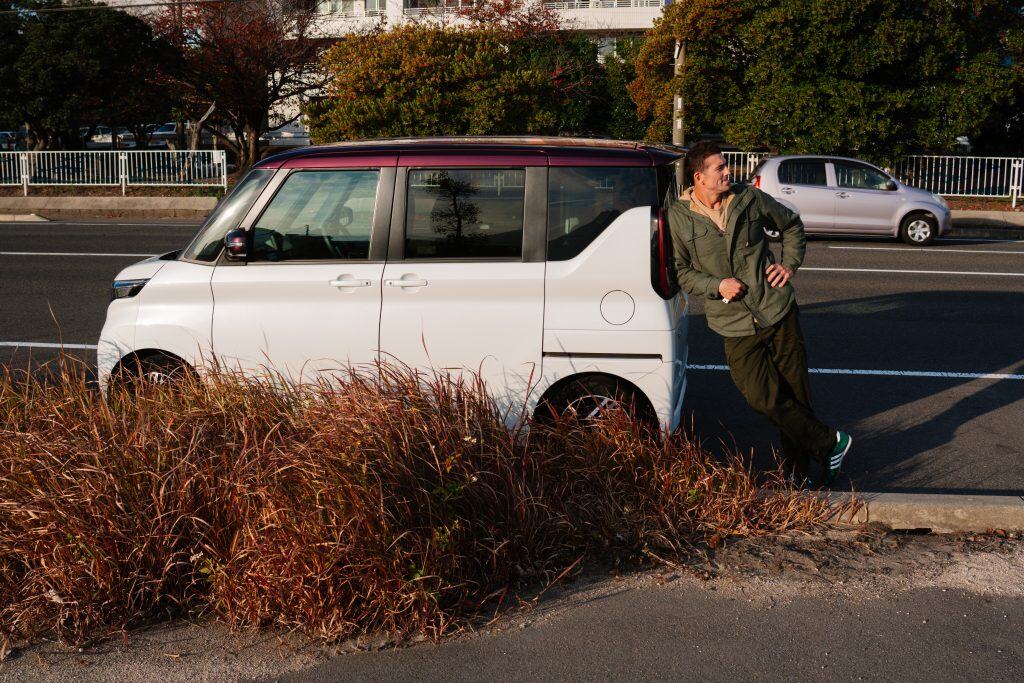
We kept transport easy by mixing trains and driving. Trains handled the scenic and city-to-city legs, while a rental car gave us flexibility in the more rural areas like Mount Aso, Takachiho and Kurokawa Onsen.
This meant we could enjoy the freedom of driving where it mattered, without the stress of navigating large cities.
If you’re worried about transport in Japan, this route is a great confidence booster. It feels logical, manageable, and far less overwhelming than trying to cover the whole country at once.
If you’re still deciding how to structure your first Japan trip, our First-Time Japan Planning Guide breaks down routes, pacing and common mistakes to avoid.
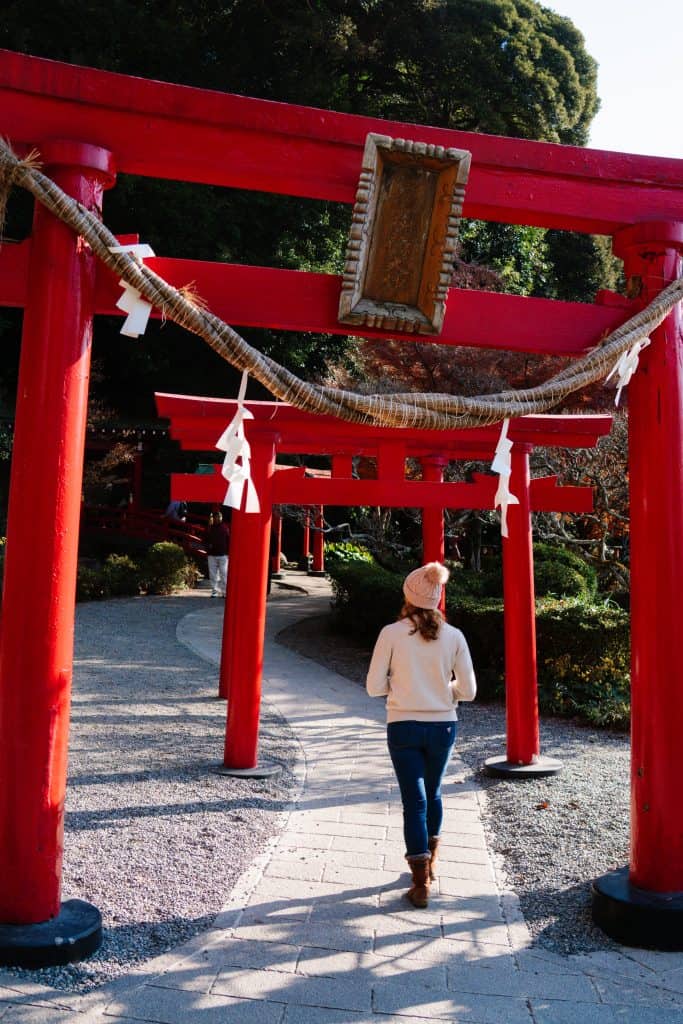
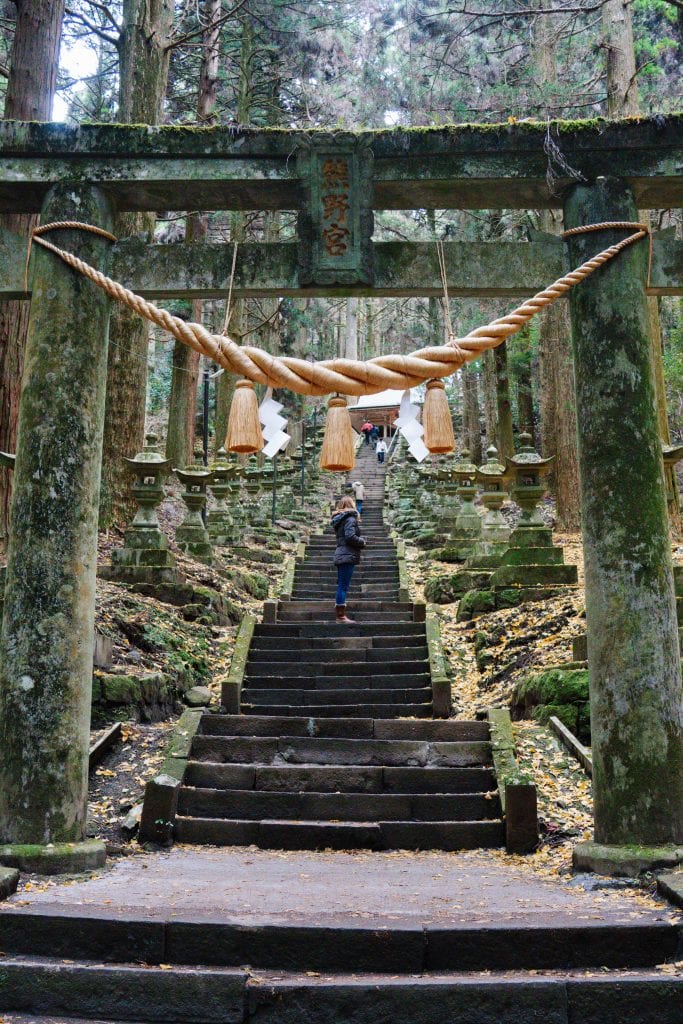
Extending Your Trip: Kyushu First, Then Kyoto and Osaka
One of the biggest mistakes first-time visitors make in Japan is trying to do everything at once.
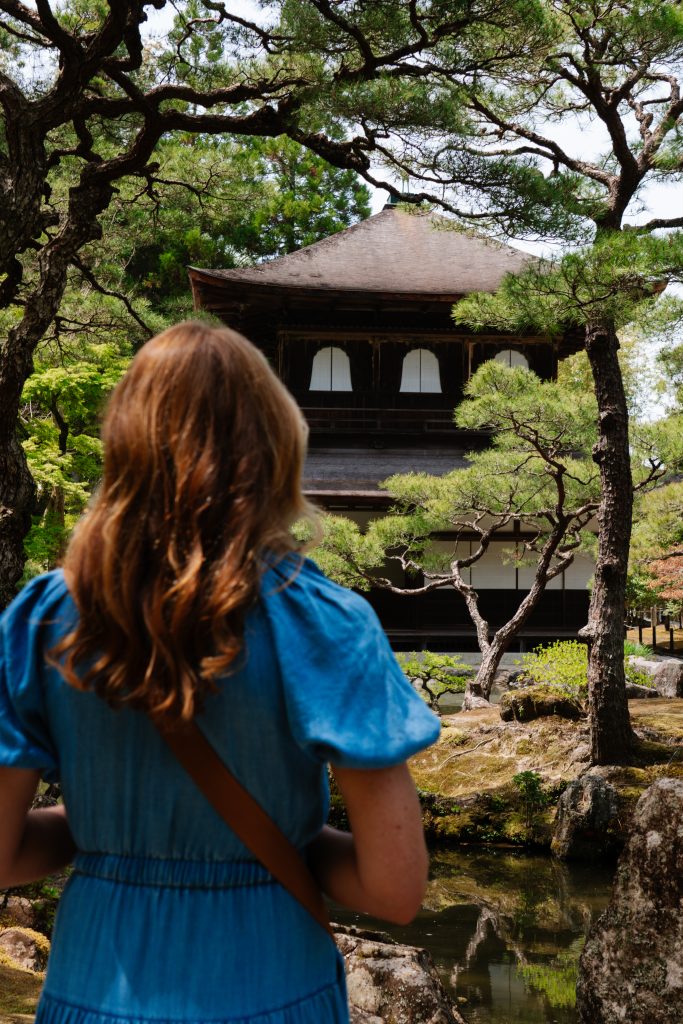
Kyushu works beautifully as a focused, slower introduction to the country but if you have more time, this route also pairs perfectly with a second phase in Kyoto and Osaka.
After seven to ten days in southern Japan, continuing on to Kansai lets you experience Japan’s most iconic cities after you’ve eased into the culture, transport, and pace of travel.
Kyoto delivers the temples, neighbourhoods and traditional experiences people expect, while Osaka adds food, energy and easy day trips.
We recommend doing Kyushu first, then finishing in Kyoto and Osaka. It keeps the trip balanced, avoids early burnout, and makes busy cities feel far more manageable once you’ve already found your rhythm in Japan.
Planning to add Kyoto after Kyushu? We’ve mapped out exactly how to group Kyoto by area so you don’t waste hours on trains. You can read our full Kyoto neighbourhood planning guide here.
And you can find Best Things to Do in Osaka here.
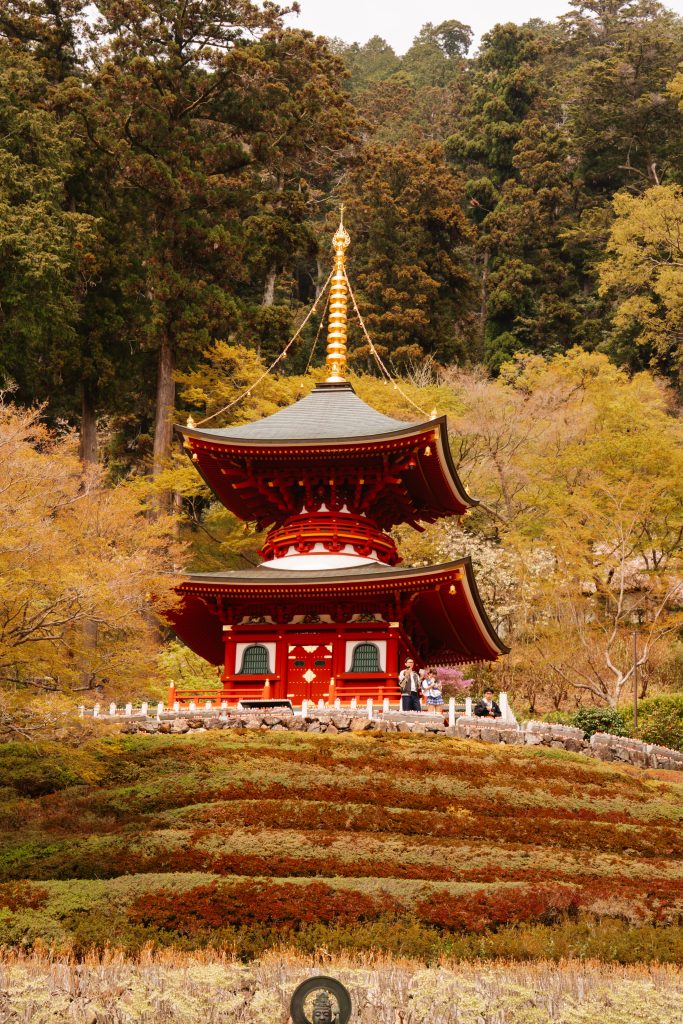
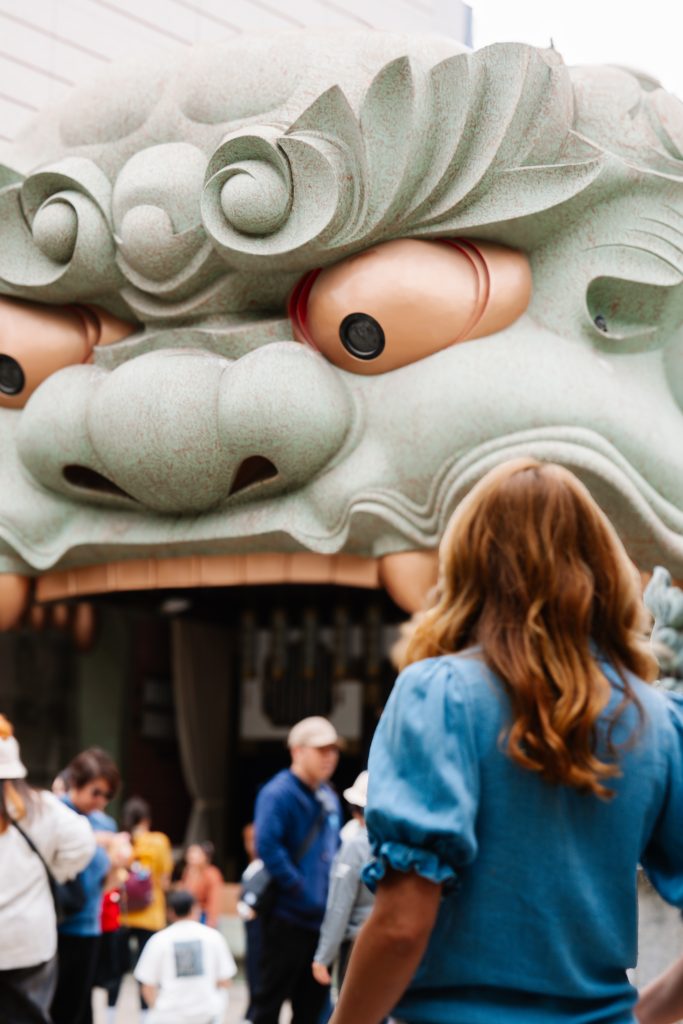
Kagoshima: A Relaxed Starting Point with Volcano Views
Kagoshima was the perfect place to begin.
Often compared to Naples for its coastal setting and ever-present volcano, Kagoshima feels laid back, walkable, and refreshingly calm for a city.
It eases you into southern Japan at a slower pace, while still offering plenty to see and do.
One of the biggest advantages of starting here is how well connected it is.
Kagoshima-Chūō Station acts as a major transport hub, making it easy to pick up scenic trains or continue north through Kyushu without feeling rushed.
What to Do in Kagoshima
Spend some time walking along the waterfront, where views of Sakurajima volcano dominate the skyline. It is an easy, scenic introduction to the region and sets the tone for what’s to come.
In the evening, head to Tenmonkan, the city’s main dining and shopping area. It is lively without being overwhelming and a great place to enjoy your first proper meal in Kyushu.
Don’t Miss: The Ibusuki no Tamatebako Scenic Train
One of the highlights of starting in Kagoshima is access to the Ibusuki no Tamatebako scenic train.
This black-and-white sightseeing train runs along the coast and is very much about the journey rather than the destination.
Think wide windows, sea views, a relaxed pace, and just enough novelty to make it feel special without being over the top.
It is a really gentle, fun way to kick off the trip and a perfect introduction to Kyushu’s scenic rail experiences.
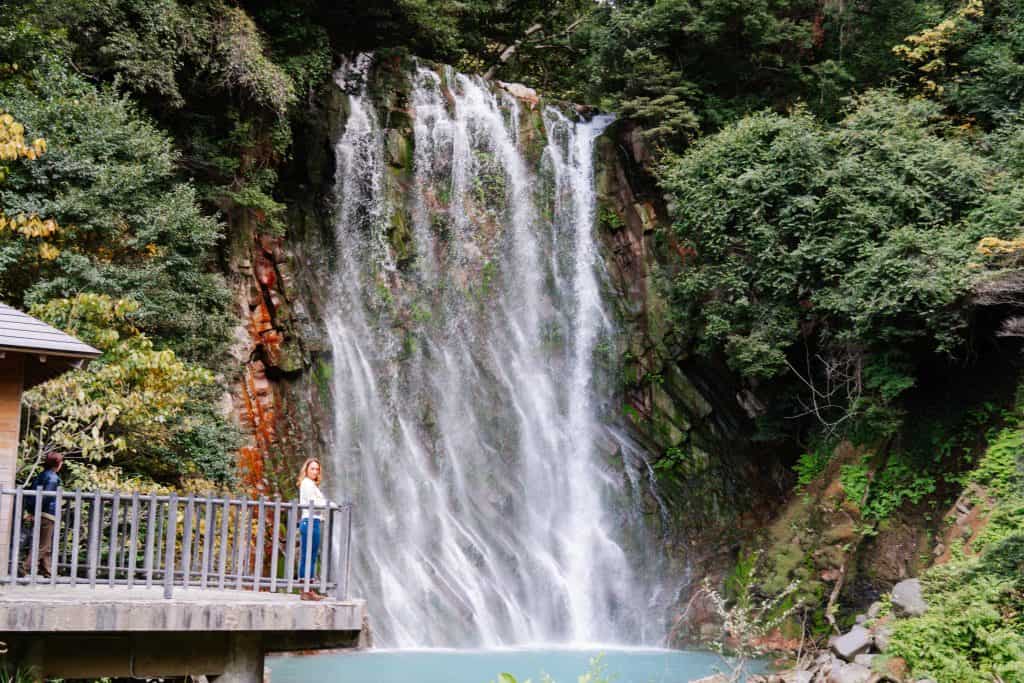
Beppu: Japan’s Steamiest Onsen City
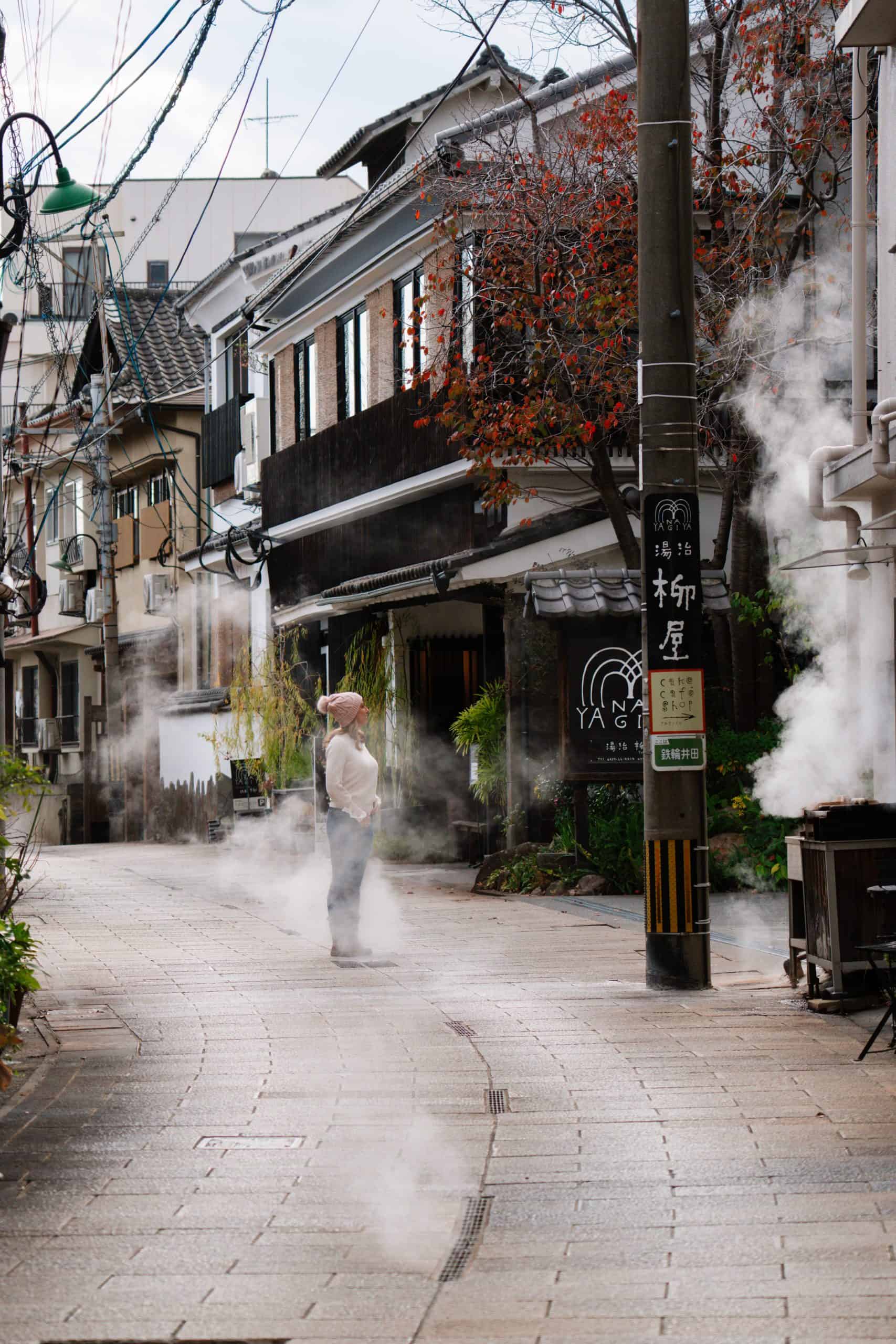
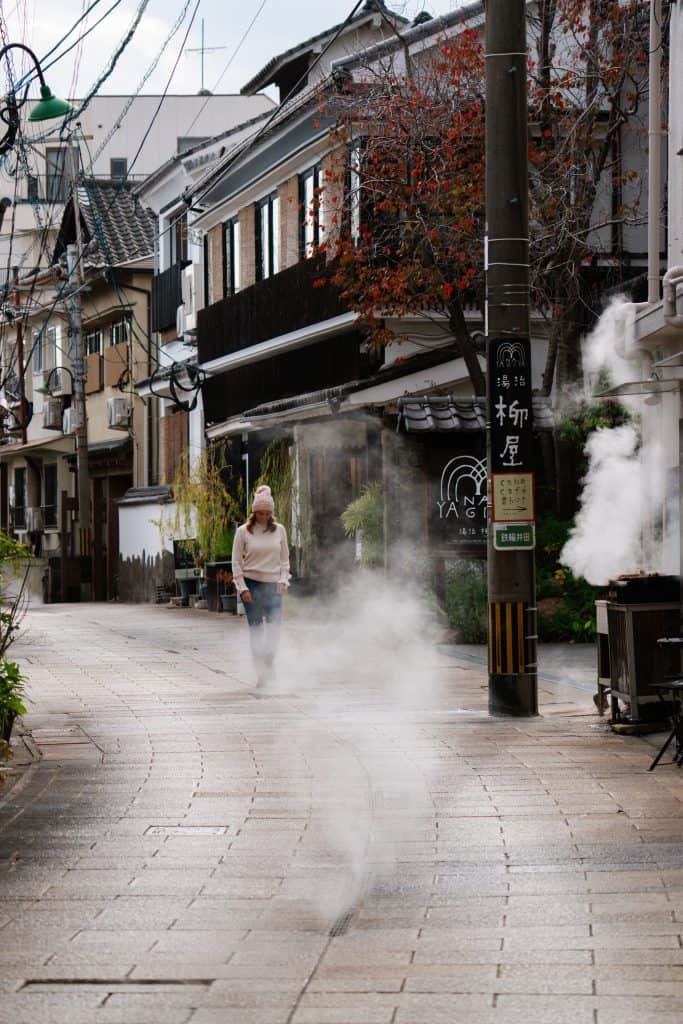
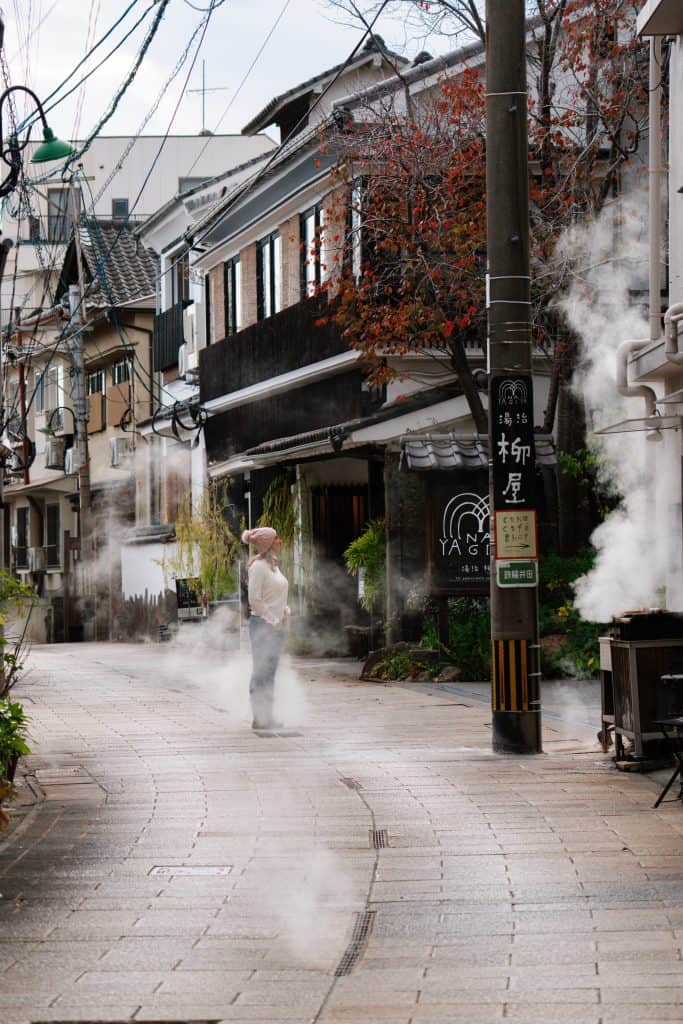
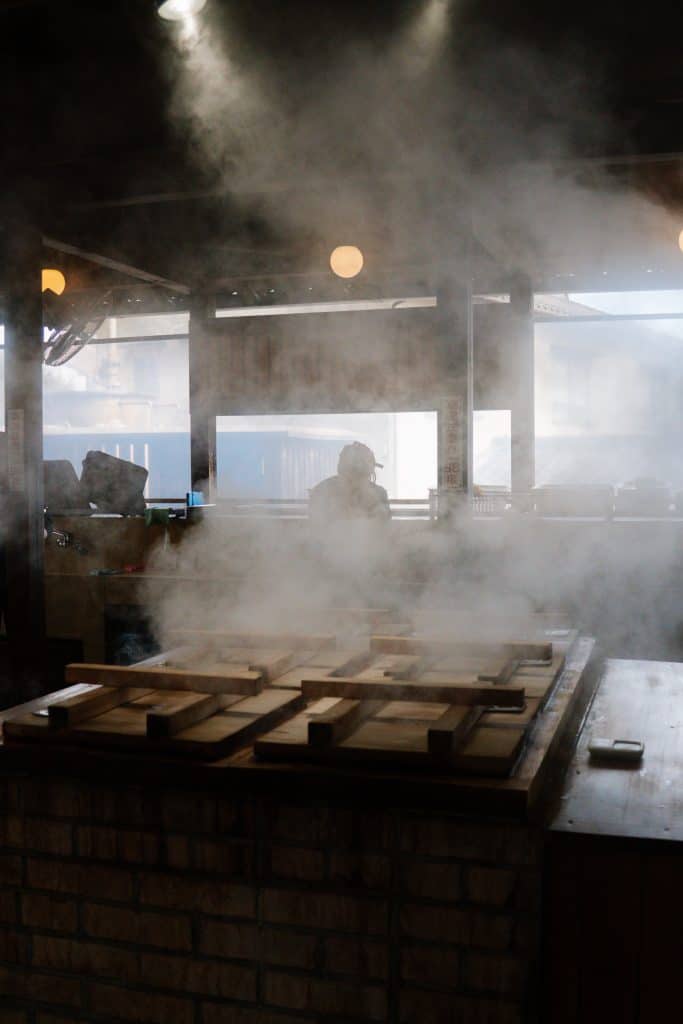
You’ll instantly know you’ve arrived in Beppu. Steam is everywhere, rising from street grates, drifting up the sides of houses, spilling out around the Hells, and even powering steam cooking spots and foot steamers throughout the city.
That faint sulphur smell seals it. There’s no mistaking that this is an onsen town, and in Beppu, hot spring culture isn’t hidden away.
It’s part of daily life and very much out in the open. Once you lean into that, Beppu quickly becomes one of the most interesting stops on a southern Japan trip.
Why Visit Beppu
Beppu isn’t just about soaking. It’s about seeing how geothermal energy shapes an entire city.
With one of the highest hot spring outputs in the world, Beppu offers everything from traditional bathhouses to steam cooking experiences you won’t find elsewhere.
It’s also one of the easiest places in Japan to try a private or family onsen, which makes it especially good for first timers.
If onsens have ever felt intimidating, Beppu is a great place to start.
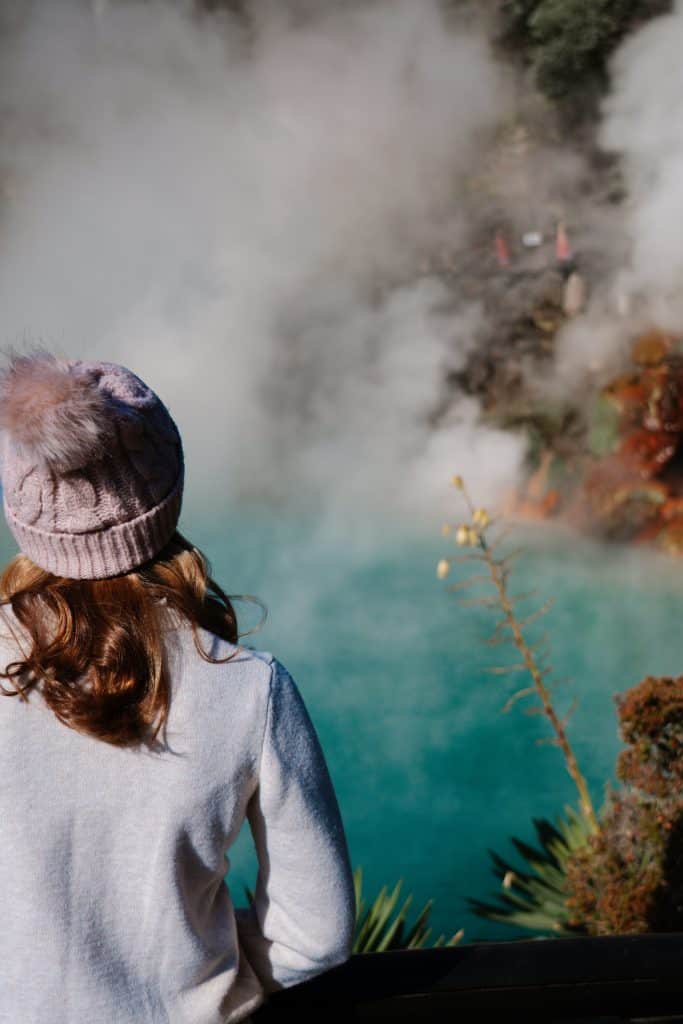

Wandering the Kannawa Steam Streets
The best way to experience Beppu is on foot.
Head to the Kannawa area and use Kannawa Mushiyu as your starting point on Google Maps.
This is where Beppu’s hot spring culture is most visible, with steam vents beside the footpath, narrow streets lined with bathhouses, and locals treating it all as completely normal.
Take your time here. Wander without a set plan, explore side streets, and stop when something catches your eye. This area is compact and easy to explore.
Eating Lunch the Beppu Way
One of the most unique things to do in Beppu is eating food cooked using the hot springs.
At Jigoku Mushi Kobo, ingredients are steamed using natural geothermal heat. You load everything into a wooden steam box and let the steam do the work. It’s simple, healthy, and surprisingly good, and it fits easily into a day of exploring the steam streets.
Beppu’s Famous Hells
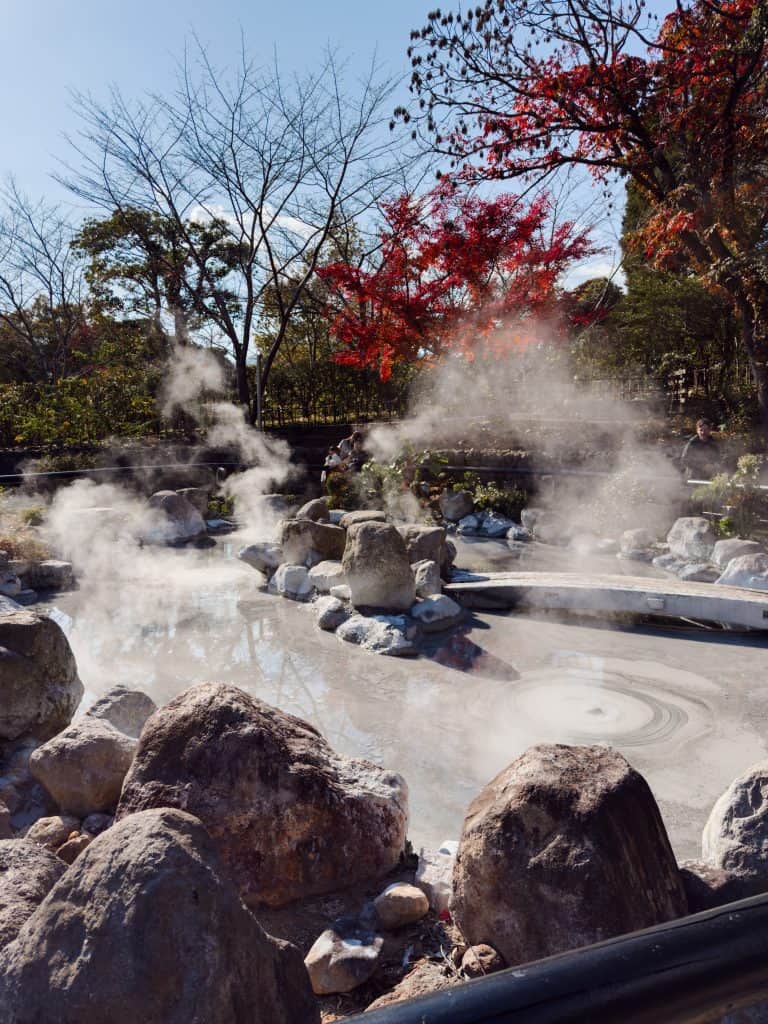
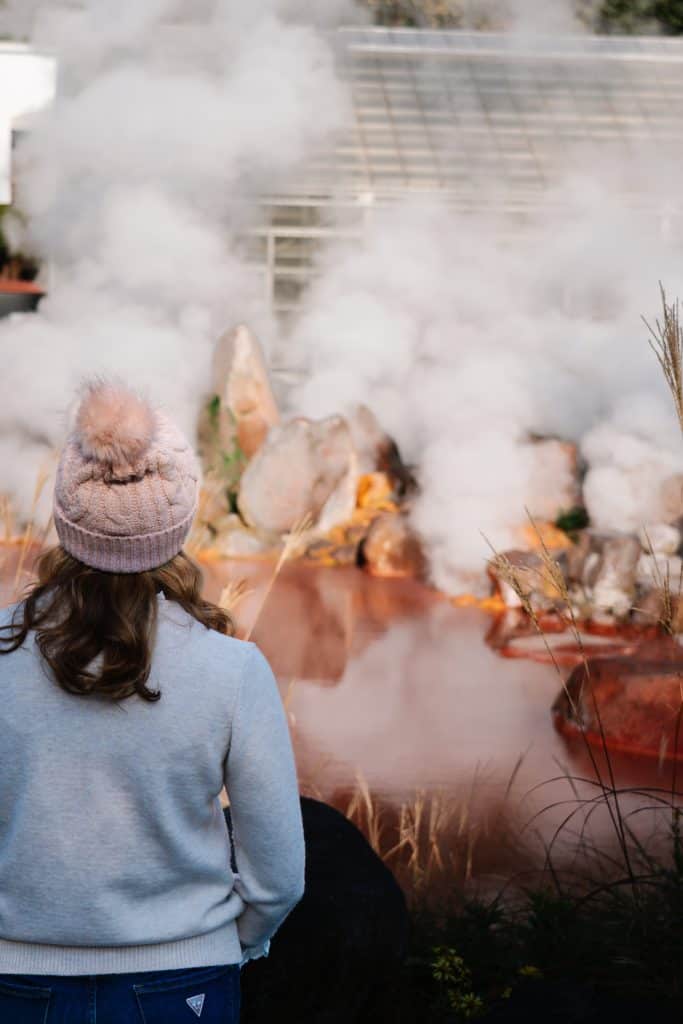
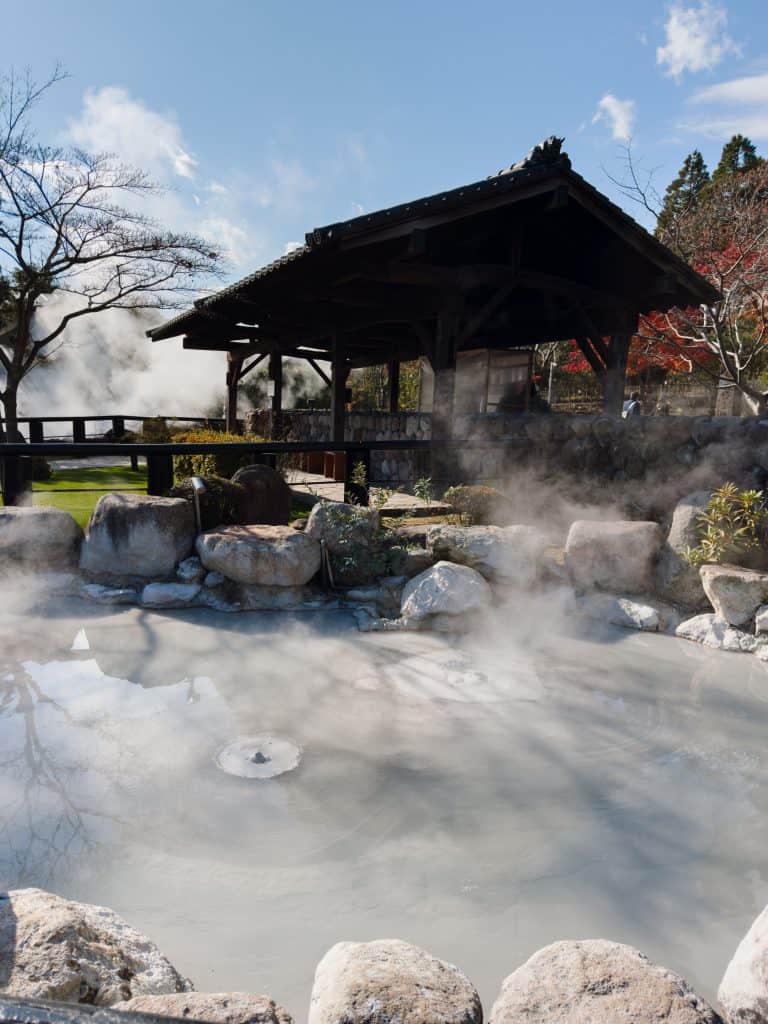
Despite the name, the Beppu Hells are not places for bathing. They’re colourful, active hot springs created by intense geothermal activity, and some reach temperatures of around 100°C or more, which is why they’re for viewing only.
There are eight official hells in Beppu, but you don’t need to see them all. If you’re short on time, pick three or four rather than rushing between every site.
The most worthwhile are Umi Jigoku, known for its bright blue colour, Oniyama Jigoku, home to crocodiles, and Oniishi Bozu Jigoku, where thick mud bubbles constantly. Most are walkable from each other, and an hour is usually enough unless you plan to take lots of photos.
If planning transport and tickets feels like too much, a guided Beppu day trip is an easy option. We often book through Klook, and you can save 10 percent with our code KLOOKGABTK.
Beppu Onsen Japan Tips for First Timers
If this is your first onsen experience, it helps to know a few basics upfront.
In most public onsens, you bathe nude, wash thoroughly before entering the bath, and keep towels out of the water.
Tattoos can sometimes be an issue, and the idea of shared bathing can feel intimidating if you’ve never done it before.
That’s exactly why Beppu is such a great place to start.
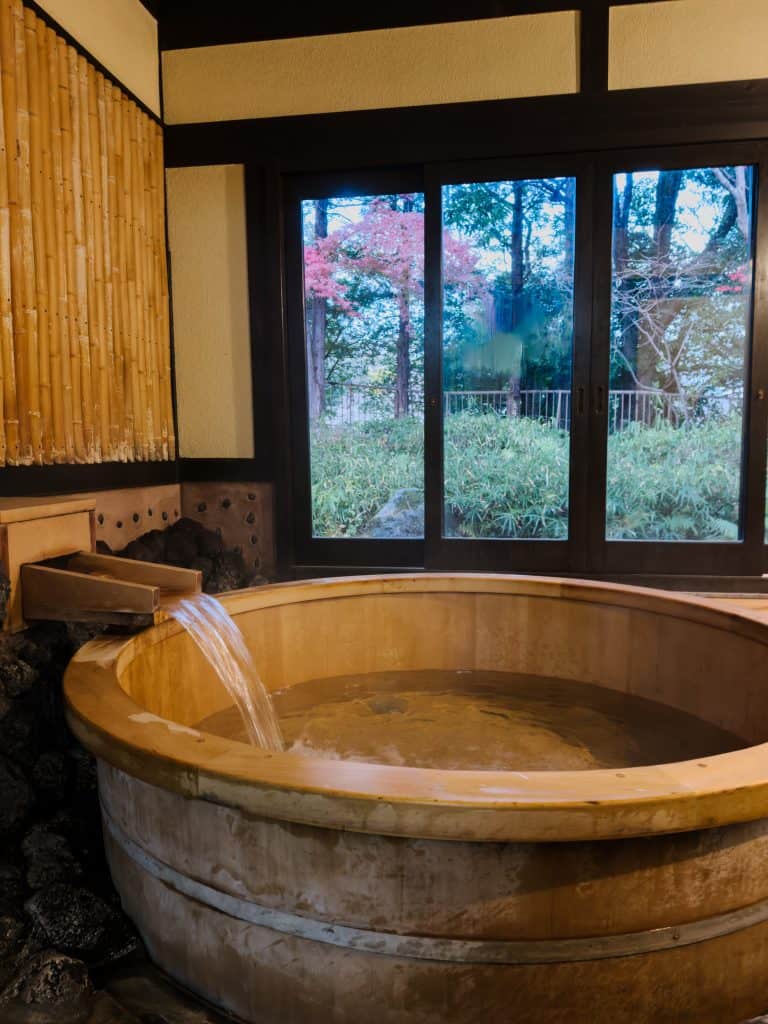
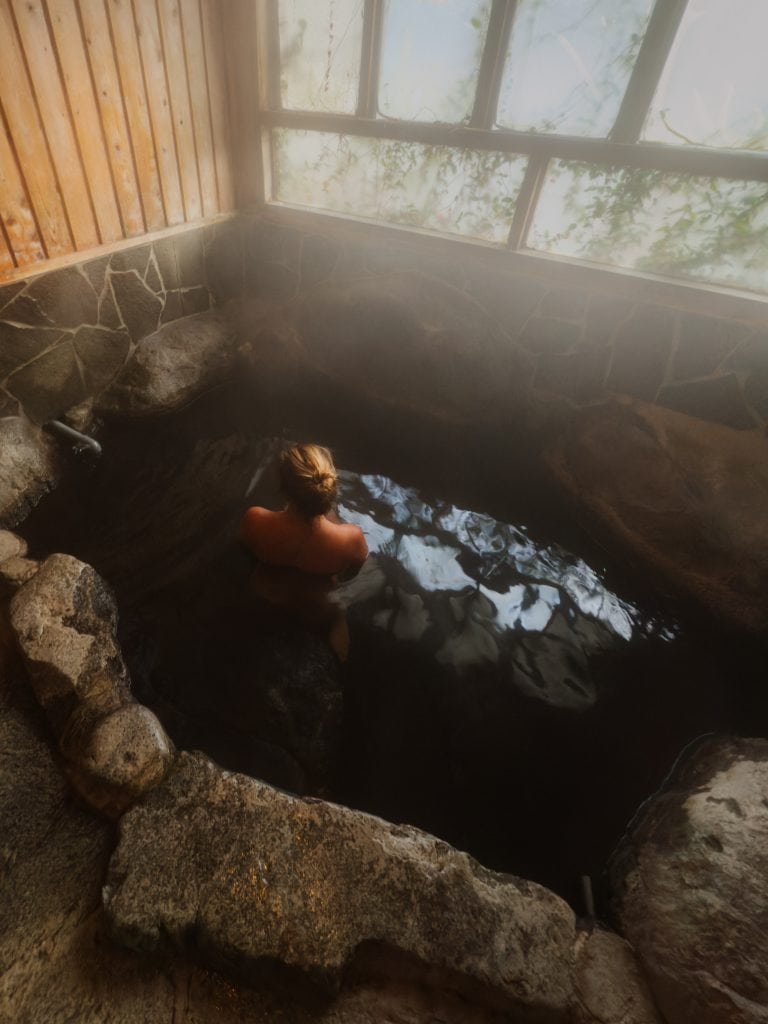
Beppu has an unusually high number of private and family onsens, which let you experience hot springs without worrying about etiquette, tattoos, or bathing with strangers. You still get the same mineral-rich water, just in a more relaxed setting.
If you want something easy and affordable, Sakurayu Onsen is a great first stop. You can book a private room on arrival, it’s straightforward to use, and it’s very popular with first-time visitors.
A few other good private or reservable options in Beppu include:
- Hyotan Onsen, which offers private baths alongside its public facilities
- Kannawa Steam Baths, where some ryokan offer bookable family onsens
- Ryokan-based private onsens in the Kannawa area, which are often quieter and more traditional
If you’re ever unsure where to go, staff at your hotel or a local information centre can usually point you toward private options available that day.
Starting with a private onsen is an easy way to build confidence, and many people find that once they’ve tried one, public onsens feel far less intimidating later in the trip.
Where to Stay in Beppu
Beppu is spread out, so location matters.
The easiest place to stay is Kannawa Onsen, where the steam streets and many of the hells are walkable and the area is quieter in the early morning and evening. Staying here keeps you close to the action without needing transport.
Staying near Beppu Station also works well if you want easy train access for day trips and onward travel, with short bus or taxi rides to the steam streets.
For first time visitors, accommodation with private or reservable onsens is worth prioritising. Beppu has everything from traditional ryokan to modern onsen hotels, so it’s easy to find something that fits your travel style.
Yufuin: A Charming Onsen Town Best Enjoyed Slowly
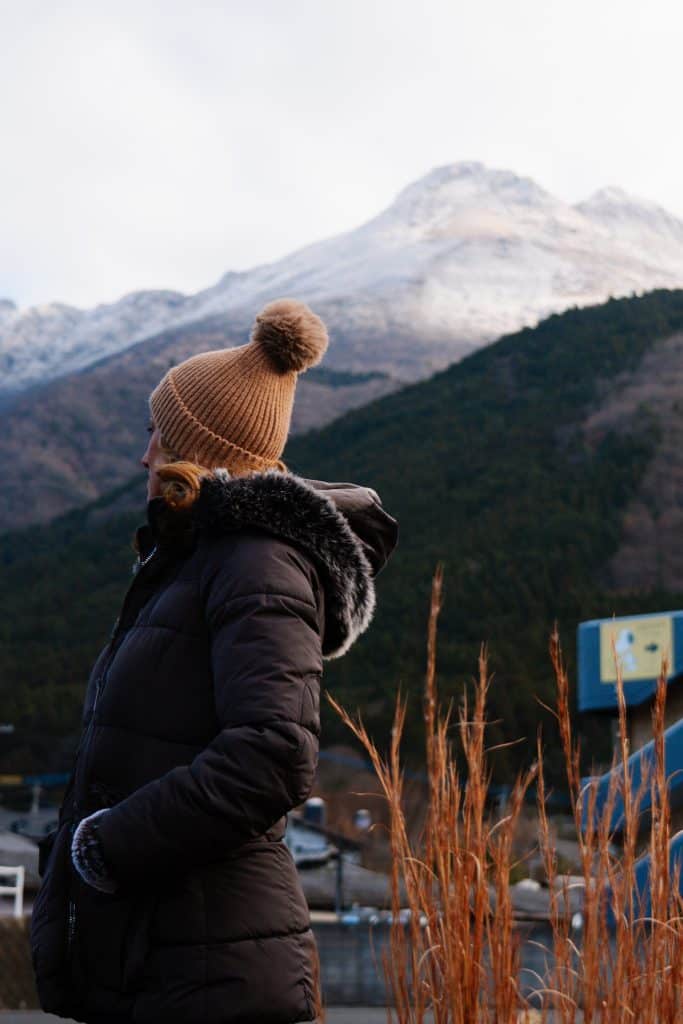
After the intensity of Beppu’s steam and geothermal energy, Yufuin feels like a deep breath.
It’s close geographically, but the atmosphere couldn’t be more different, which is exactly why pairing the two works so well.
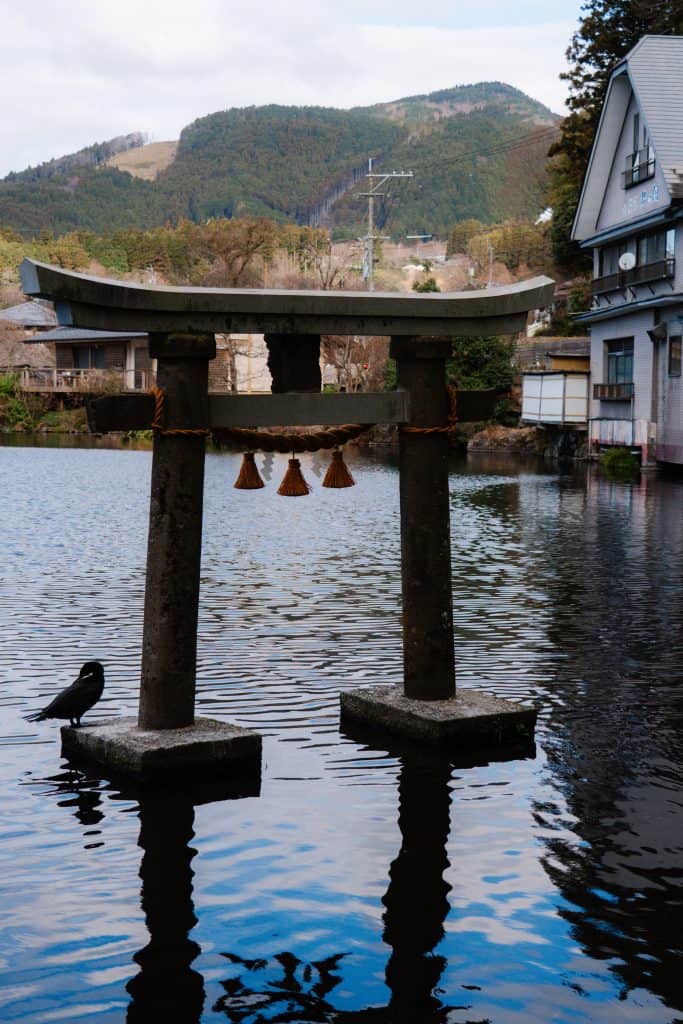
Where Beppu is raw and volcanic, Yufuin is polished, calm and deliberately pretty. Think boutique-lined streets, cosy cafés, and mist drifting off the lake in the early morning. It is the kind of place that invites you to slow down, wander without a plan, and linger longer than you expected.
If Beppu feels energetic and steamy, Yufuin feels soft and soothing, especially if you stay overnight once the day trippers leave.

Why Visit Yufuin
Yufuin is often described as one of Japan’s prettiest onsen towns, and it earns that reputation.
It is compact and easy to explore on foot, has a relaxed pace compared to bigger cities, and feels particularly magical early in the morning and in the evening when the streets quieten down. It is also a great place to balance out a busy Japan itinerary with something slower and more scenic.
Best Things to Do in Yufuin
One of the highlights of Yufuin is how simple the experience can be.
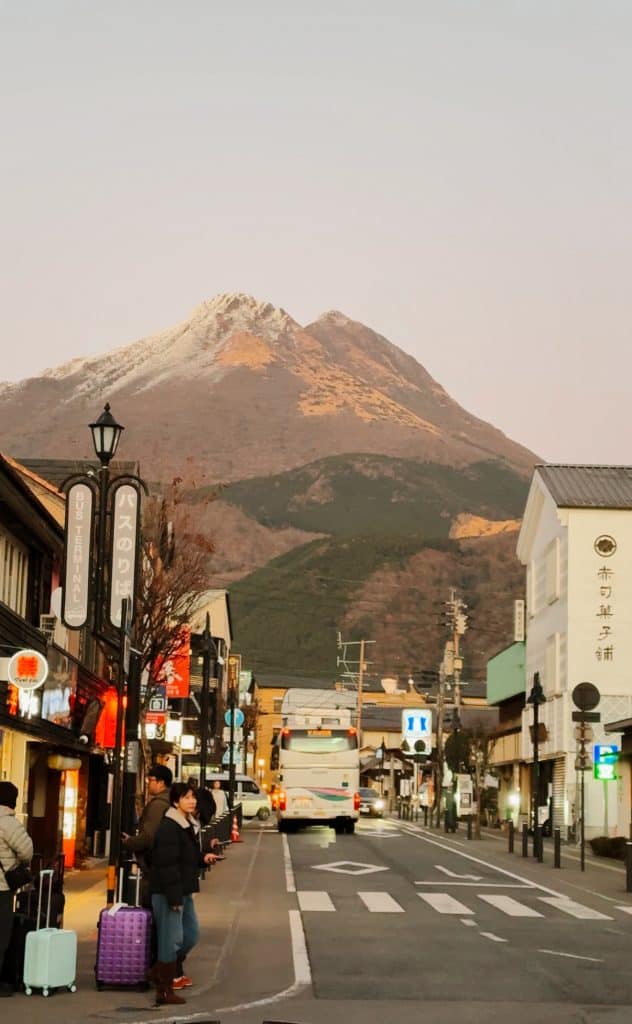
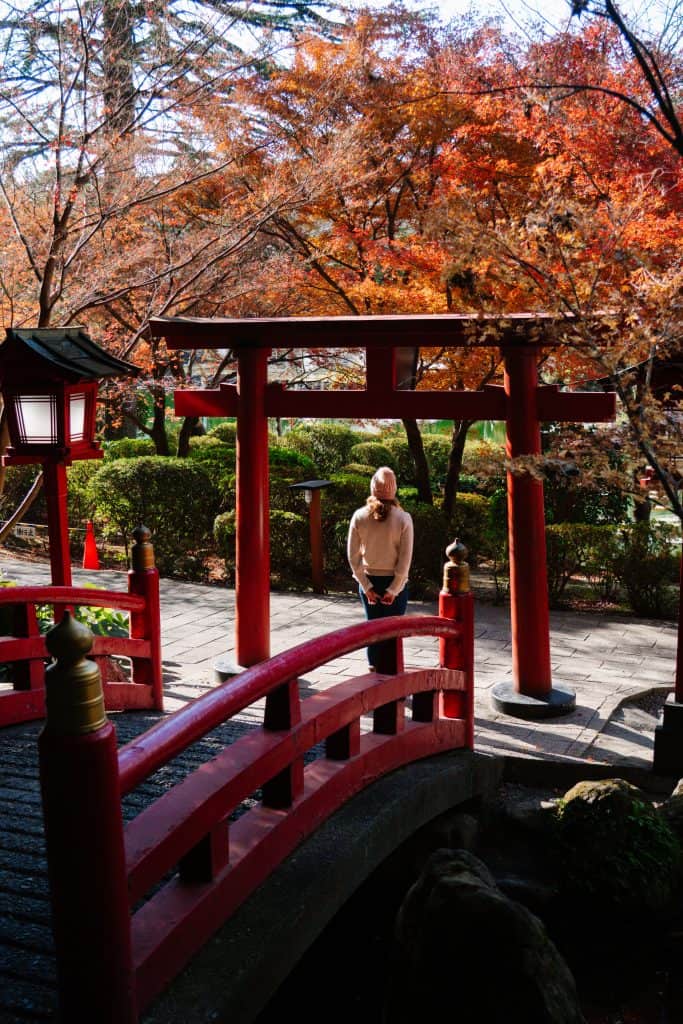
Start your morning at Lake Kinrin, where steam rises off the water just after sunrise. It is peaceful, atmospheric, and one of the most beautiful times to see the town.
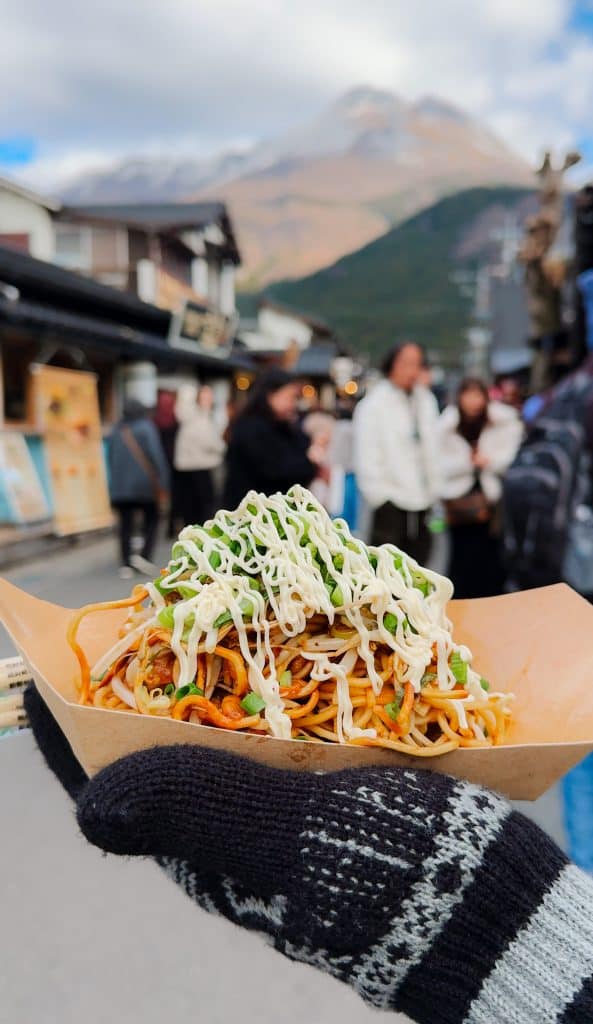
From there, wander Yunotsubo Kaido, the main street filled with boutiques, dessert shops and small cafés. This area gets busy during the day, so take your time and duck into side streets when it feels crowded.
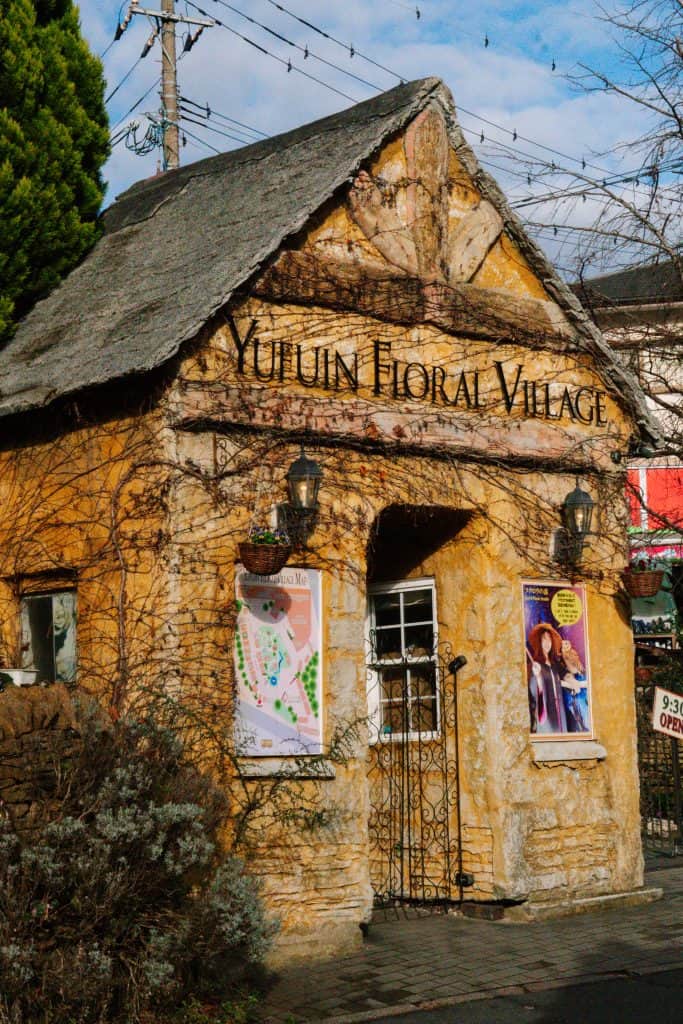
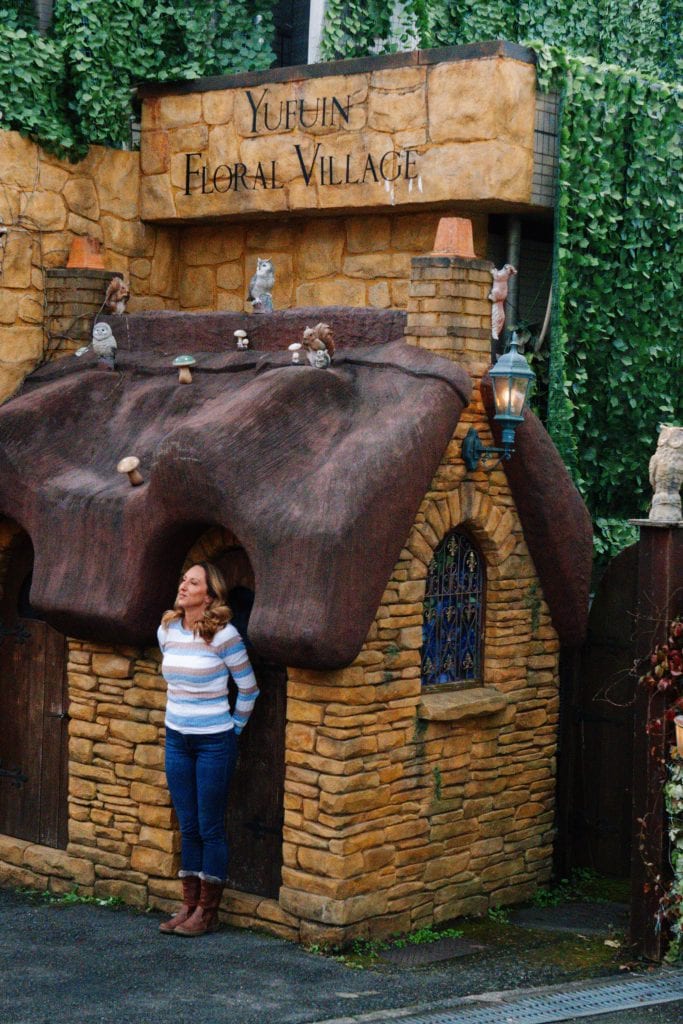
For something a little whimsical, stop by Yufuin Floral Village, which feels almost storybook-like, and finish with a soak or rest at the Yufuin Station foot bath, which is an easy and relaxing stop before or after exploring.
Getting to Yufuin
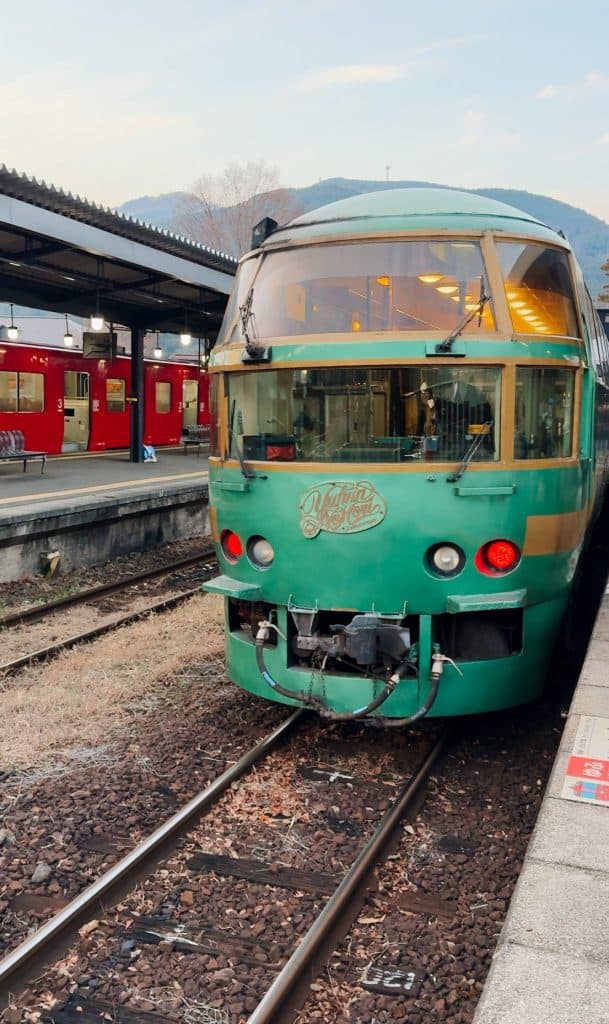
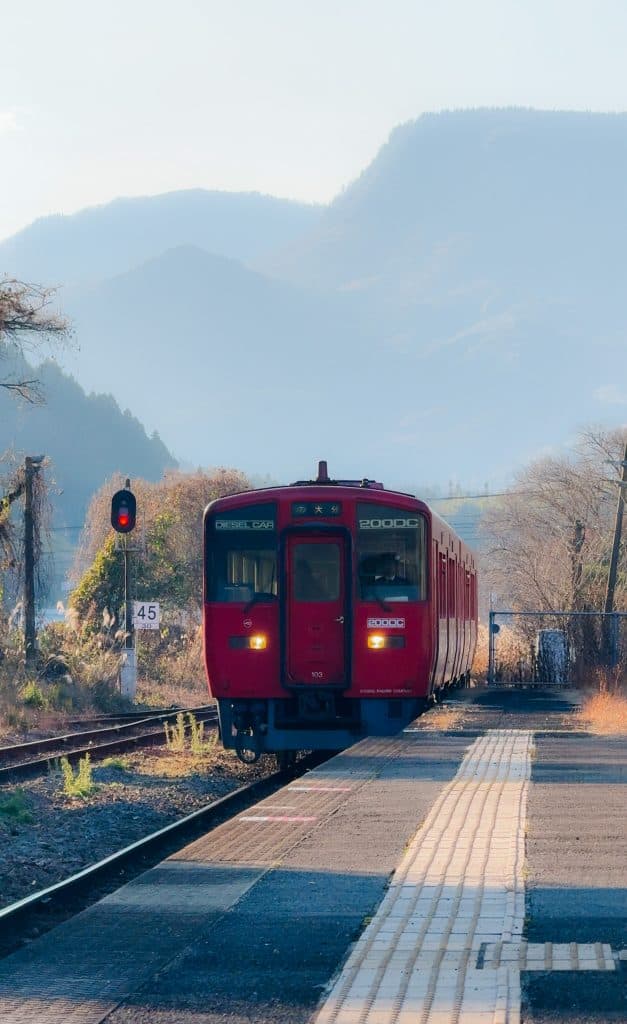
Yufuin is accessible by both road and train, but one of the highlights of this region is arriving or departing on the Yufuin no Mori scenic train.
This train connects Yufuin with Fukuoka and turns the journey itself into part of the experience. It is comfortable, scenic, and far more memorable than a standard transfer, making it a great option if you are not driving.
Can You Visit Yufuin as a Day Trip
Yes, Yufuin works well as a day trip, especially from Beppu or Fukuoka. You can see the main sights, stroll the boutique streets, and visit Lake Kinrin in a single day.
That said, staying overnight makes a big difference. Once the day trippers leave, Yufuin becomes noticeably quieter and more atmospheric, and early mornings are especially beautiful. If your itinerary allows it, one night here is well worth it.
If you do not want to plan transport yourself, Yufuin is also easy to visit on a guided day trip. Tours can be booked through Klook, and you can save 10 percent using our discount code KLOOKGABTK.

Where to Stay in Yufuin
Yufuin has a great mix of traditional ryokan and modern boutique stays.
If it is your first visit, staying within walking distance of Yunotsubo Kaido or Lake Kinrin makes everything easier. Look for accommodation with private or reservable onsens, especially if you are not yet comfortable with public baths.
Staying overnight allows you to experience Yufuin at its calmest, which is when the town really shines.
Best Things to do in Takachiho
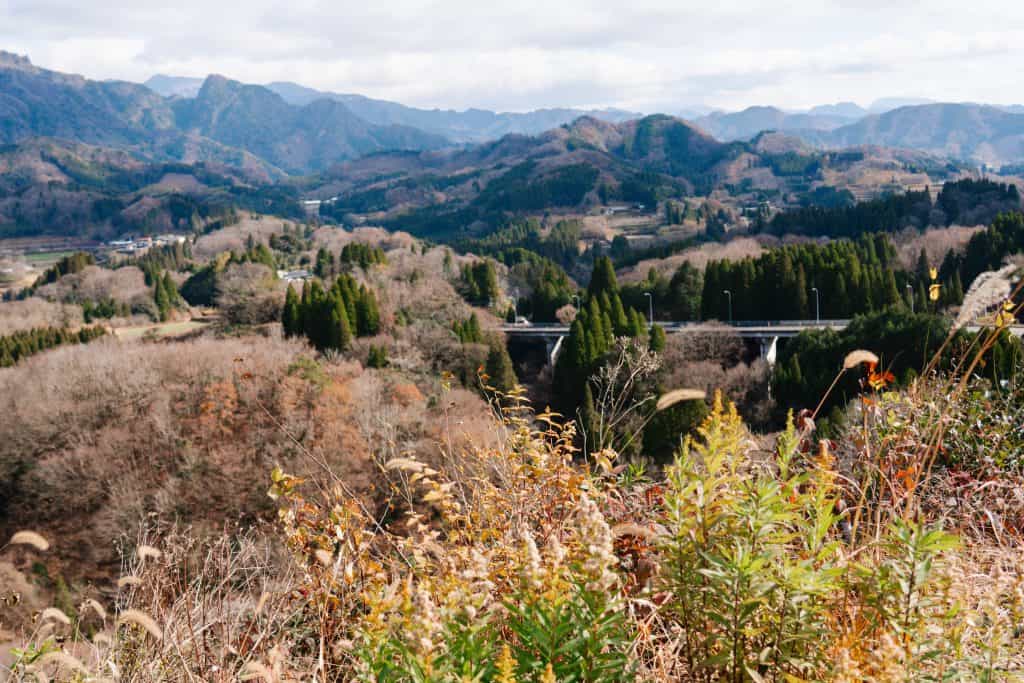
Leaving Yufuin, the route turns away from onsen towns and into Kyushu’s mountains. This is where the trip shifts from polished and gentle to something far more dramatic.
Set deep in Kyushu’s mountains, this area feels a world away from Japan’s cities and busy transport hubs.
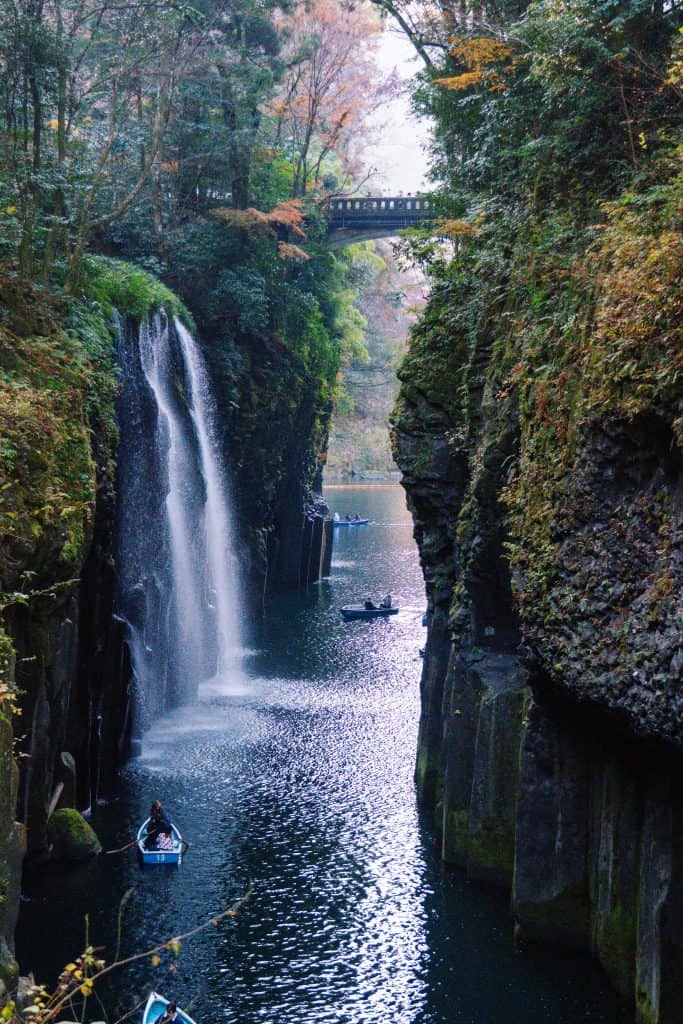
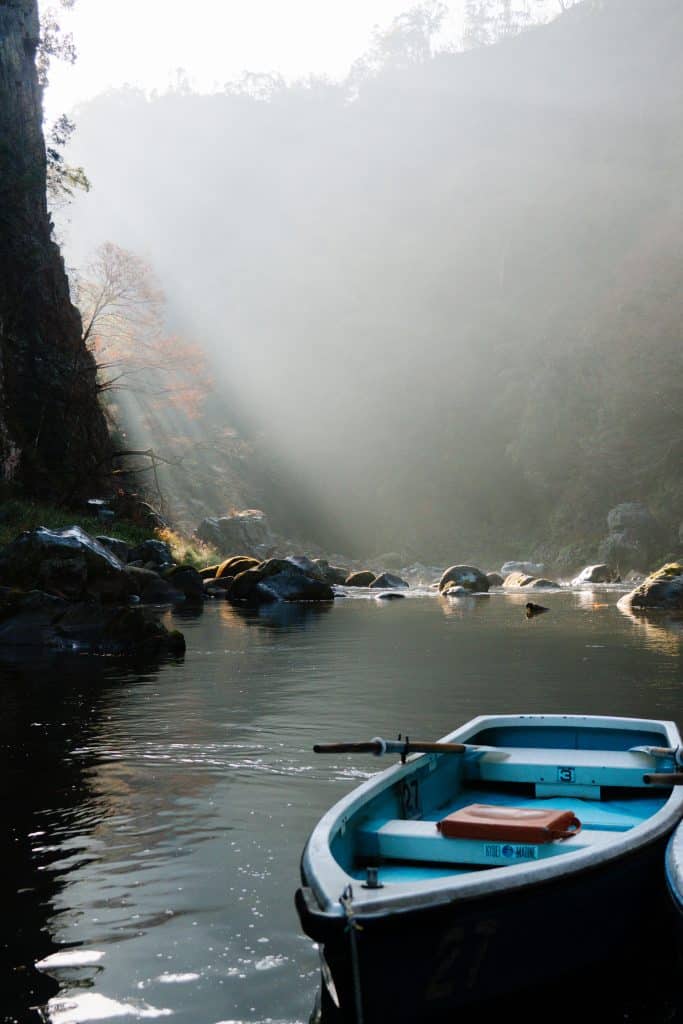
It is best known for Takachiho Gorge, and it is genuinely one of the most beautiful places we have seen in Japan. Sheer basalt cliffs rise straight up from emerald water, waterfalls spill into the river, and the scale of it all is far more impressive in real life than any photo you’ll see online.
And yet, it is a place so many people, either because it feels too hard to reach or because they assume the gorge is only worth visiting if they manage to get a boat ticket.
That assumption is what causes most people to skip it, and I don’t want you to make that same mistake.

Why Visit This Area
This stop offers something very different to the onsen towns on this route.
Instead of steam and bathhouses, you get raw nature, towering cliffs, and one of Japan’s most impressive river gorges.
It is compact, easy to explore once you are there, and feels calm without being boring. If you enjoy landscapes that genuinely feel special, this is one of the highlights of southern Japan.
Takachiho Gorge Boat Ride
Boating through the Takachiho Gorge is the most talked about experience here, and for good reason.
Being on the river, with cliffs towering above you and waterfalls cascading down into the water, gives you a completely different sense of scale.
This is also one of the hardest tickets to get in Japan.
Boat tickets are released online around 30 days in advance and sell out quickly. If you want one, you need to set an alarm and book the moment they are released.
We ended up rearranging our entire itinerary to suit the booking we could get, and it was absolutely worth it.
Boat hire costs around 4,100 yen per boat, which fits up to three people. Time slots are limited, and availability can change depending on weather and river conditions. They also release some tickets on the day so if you turn up early enough, you may just snag one.
Find the direct booking link here.
Missed Out on a Takachiho Gorge Boat Ticket?
If you miss out on a boat ticket, do not skip this stop.
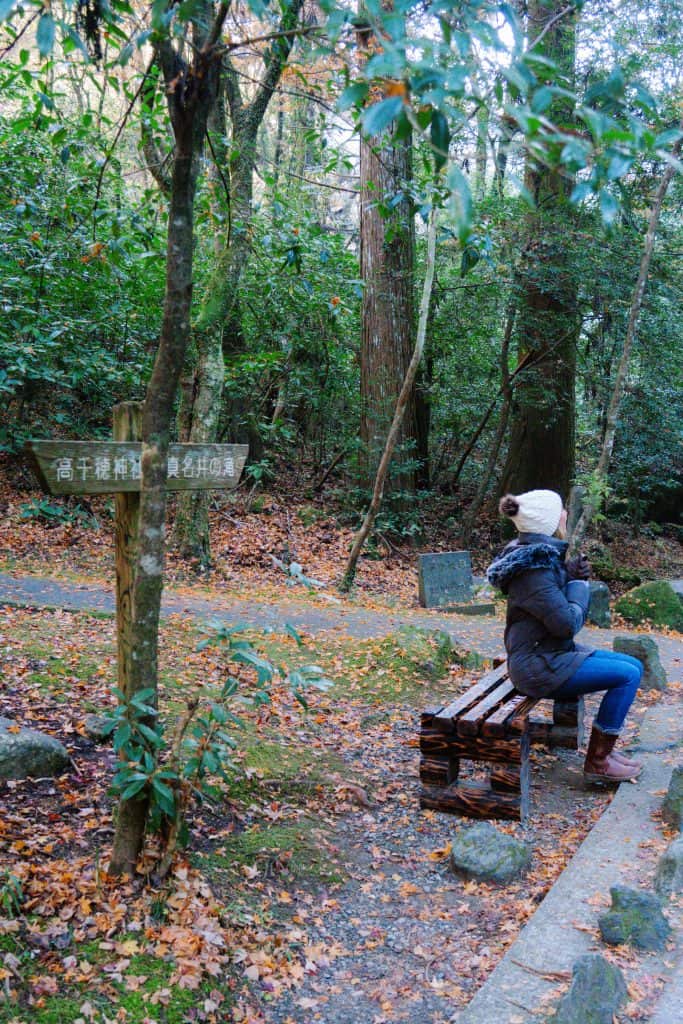
The gorge promenade walk from above is absolutely stunning. You get uninterrupted views straight down into the river. In some ways, the perspective from above is even more impressive than being on the water.
The walking path is easy, does not require a booking, and allows you to explore at your own pace.
Even without the boat experience, this is by far one of the most beautiful natural spots we have visited in Japan, and it is absolutely worth the effort to include.
Other Things to Do Nearby
Beyond the gorge itself, there are a few other worthwhile stops if you have time.
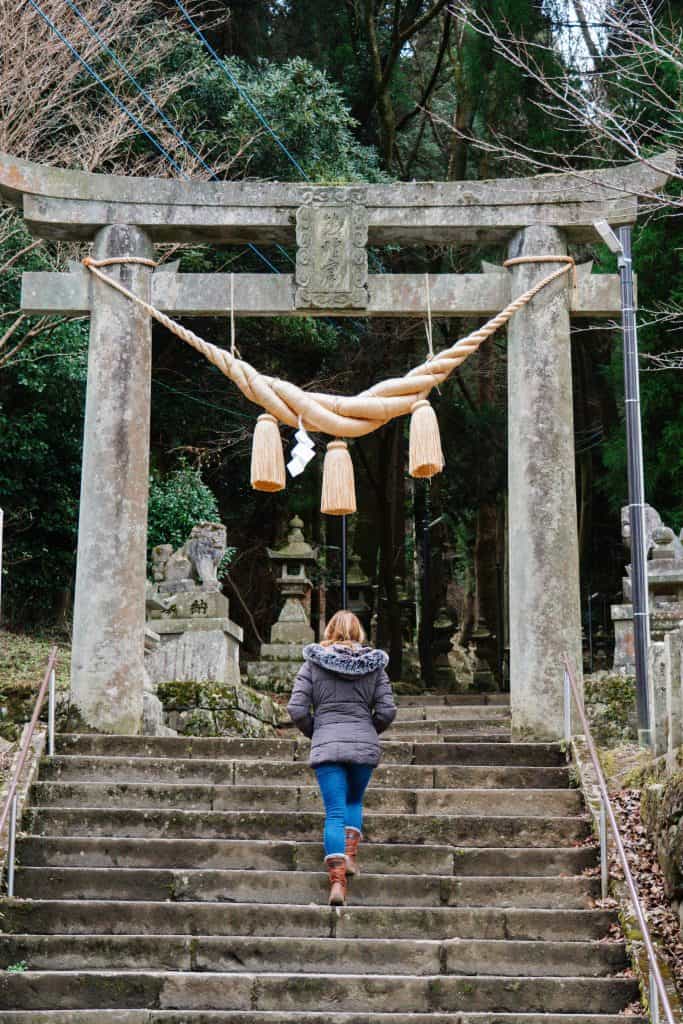
Takachiho Shrine is an easy visit and feels especially peaceful in the late afternoon.
If you are staying overnight, the Kagura night dance is a traditional performance linked to local mythology and adds cultural context to the area.
These experiences are not essential, but they round out the visit nicely if your schedule allows.
Can You Visit Takachiho Gorge as a Day Trip
Yes, this area can be visited as a day trip, but it does require planning.
Many people visit on a long day trip from places like Kumamoto, Beppu, or Yufuin, often as part of a guided tour. This can be a good option if you are short on time or not driving, as transport is organised for you.
If you prefer everything handled for you, guided day trips are available through Klook, and you can save 10 percent using our discount code KLOOKGABTK.
That said, staying overnight makes a noticeable difference. Early mornings and evenings are far quieter, and it allows you to experience the gorge without crowds.
Where to Stay
Accommodation here is limited, so booking ahead is important.
Most options are small guesthouses or ryokan rather than large hotels, which suits the quiet feel of the area.
Staying close to the gorge or town centre makes it easier to get around, especially if you plan to walk between sights.
If you are driving, parking is generally straightforward and gives you flexibility to explore at your own pace.
If you are not driving, look for accommodation within walking distance of the main sights or confirm transport options in advance.
Even one night here can completely change how this part of Japan feels.
Mount Aso: Volcano Landscapes and Open Roads
From Takachiho, the landscape opens up quickly, and the sense of scale only gets bigger as you move toward Mount Aso.
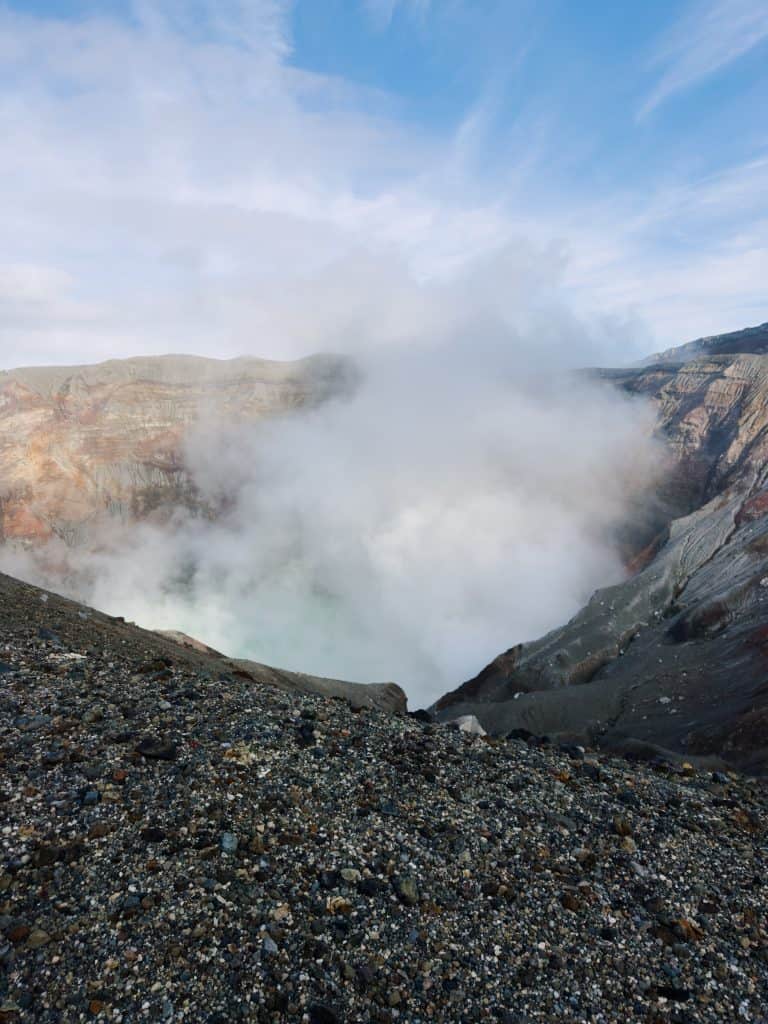
Mount Aso sits inside one of the largest active volcanic calderas in the world, and the sense of scale is hard to understand until you are standing there yourself.
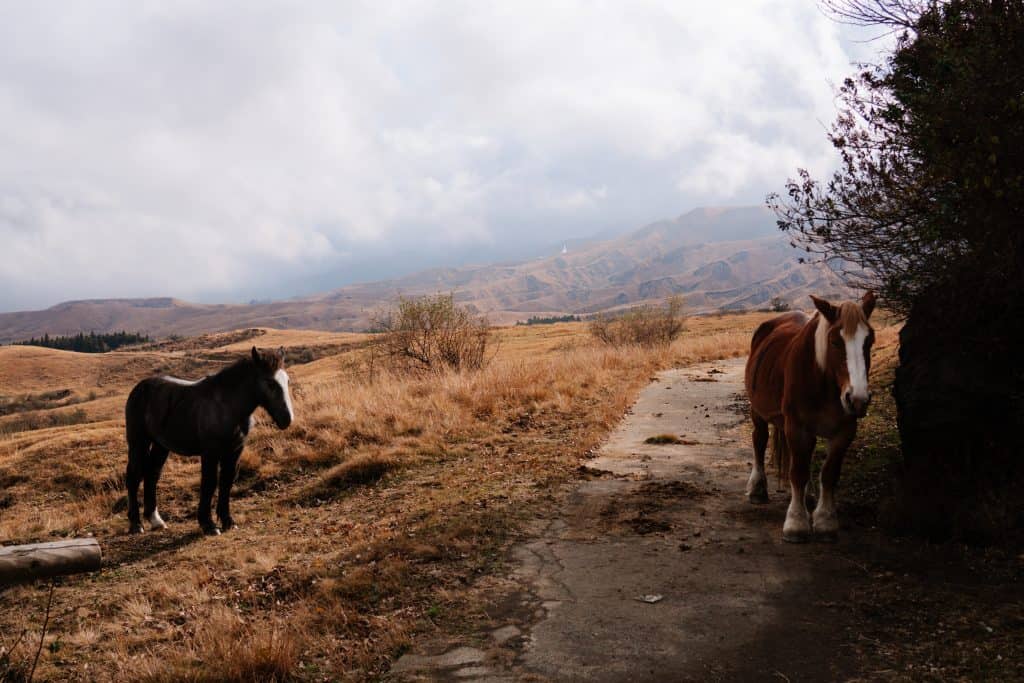
This region feels wide open and almost alpine, with rolling grasslands, smoking craters and long scenic roads that stretch across the caldera.
It is a completely different side of Japan and one of the most visually striking parts of this route.
If you enjoy dramatic landscapes and places that make you stop and stare, Mount Aso is unmissable.
Why Visit Mount Aso
This area offers a side of Japan that feels raw and expansive rather than polished.
Instead of temples and cities, you get vast views, open skies and volcanic terrain that feels closer to New Zealand or Iceland than what many people expect from Japan.
It is also a refreshing contrast to the onsen towns, adding variety and balance to the trip.
Best Things to Do Around Mount Aso
One of the highlights here is simply moving slowly and taking in the views.
Daikanbo Viewpoint is one of the best places to understand the scale of the caldera. The lookout is an easy walk from the car park and offers sweeping views across the valley below.
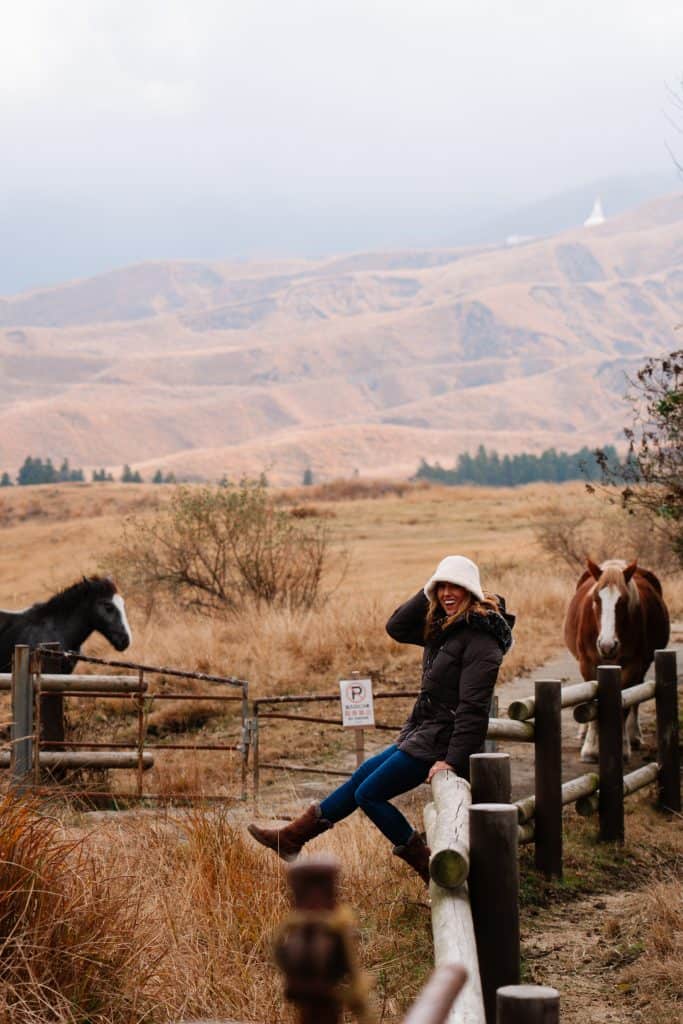
Kusasenri Grasslands are especially beautiful in the morning, when horses graze and mist often hangs low over the fields. It is peaceful, photogenic and very easy to access.
If conditions allow, Nakadake Crater is worth visiting. This is an active crater, so access depends on weather and volcanic activity. Always check the status on the day here and follow local advice.
Driving Milk Road is an experience in itself, particularly early in the morning or near sunset.
The road winds through open countryside with constant views, and it is one of the most scenic drives in Kyushu.
Getting Around Mount Aso
This is one place where having a car makes all the difference.
While there are trains and buses to parts of the area, the viewpoints, crater and grasslands are spread out.
Driving gives you the flexibility to stop where you want and explore without rushing.
Can You Visit Mount Aso as a Day Trip
Yes, Mount Aso works well as a day trip, particularly from Kumamoto.
Many travellers visit for the day to see the crater, grasslands and viewpoints before moving on. This is doable if you are short on time or prefer to stay based in a city.
That said, staying overnight allows you to experience the area at its quietest. Early mornings and evenings are calmer, the light is softer, and the landscape feels far more immersive.

Where to Stay Around Mount Aso
Accommodation around Mount Aso is spread out and mostly low key, which suits the natural setting.
Staying within the caldera or nearby towns gives you easy access to the main sights without long drives. Look for accommodation with parking and easy road access if you are driving.
This is not a luxury destination, but even simple stays are elevated by the views and surroundings.
One night here is enough to slow the pace of your trip and really appreciate the landscape.
Kurokawa Onsen: Traditional Ryokan Atmosphere
After the wide open spaces of Mount Aso, Kurokawa Onsen brings everything back in again. Smaller, quieter, and deliberately slow.
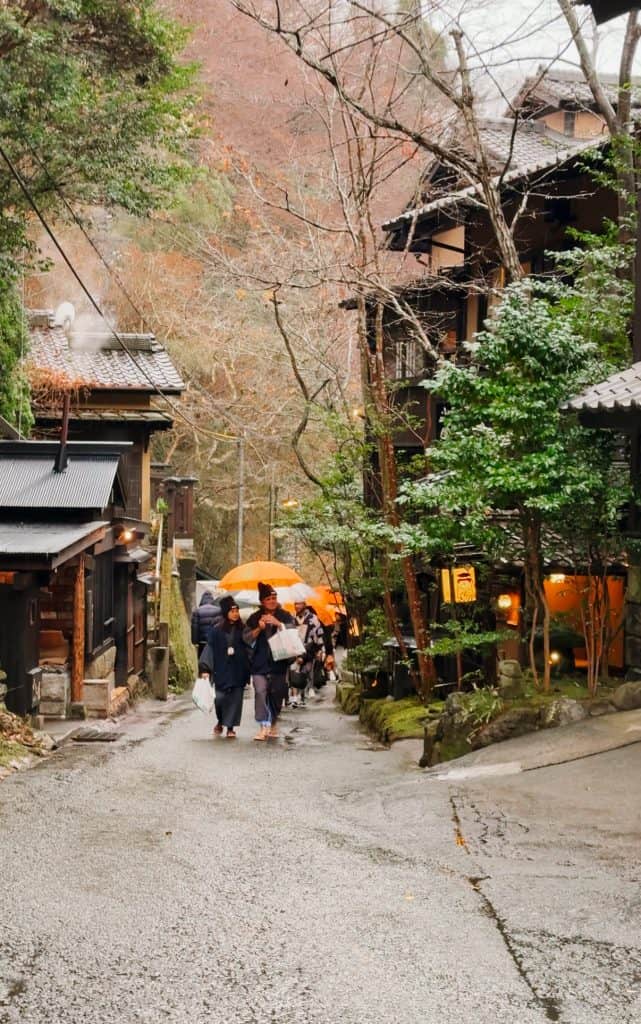
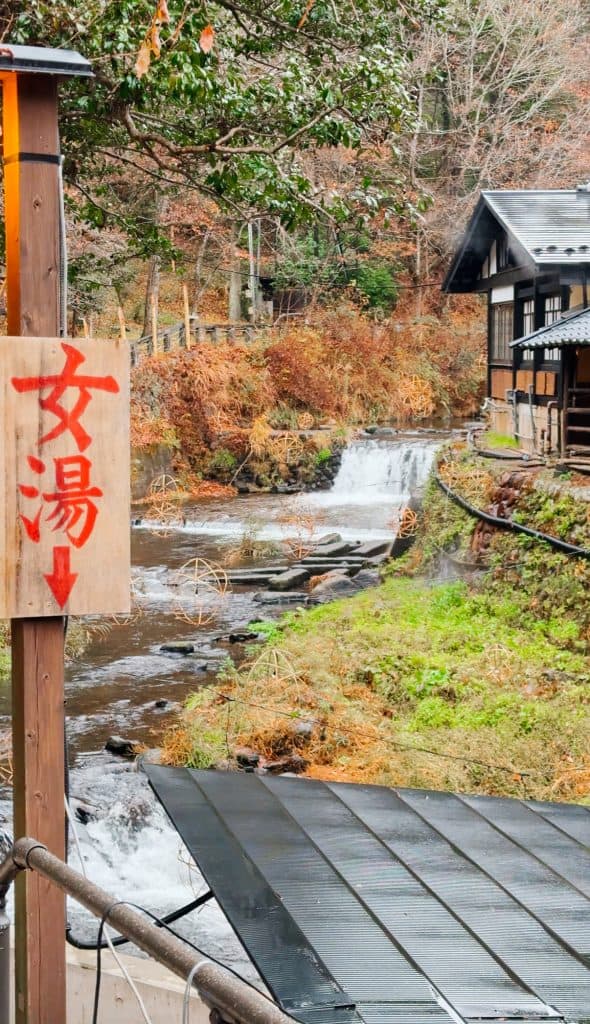
The village is small and atmospheric, with lantern lit streets, wooden ryokan, stone bridges and steam rising from the river that runs through the centre.
It is quiet, traditional and designed for slowing right down.
This was one of the most relaxing stops on our entire trip.
Why Visit Kurokawa Onsen
Kurokawa is about atmosphere rather than ticking off sights.
It offers a classic onsen town
experience, feels purpose built for overnight stays, and is one of the best places on this route to enjoy a slower pace.
It is also very welcoming for travellers who prefer private or reservable onsens rather than large public baths.
Best Things to Do in Kurokawa Onsen
If you are looking for a traditional Japanese onsen town, this is it. Kurokawa is made up of tiny streets, wooden ryokan, and a gently steaming river fed by nearby hot springs, with onsens everywhere you look.
Most people in Kurokawa use the onsen hopping pass, which lets you visit multiple baths around the village.
You buy it at the Kurokawa Onsen Information Centre, and it is well worth popping in there as soon as you arrive.
If you are feeling unsure about where to find private or family onsens, this is also the place to ask.
They have up-to-date lists of which ryokan offer reservable baths and will happily point you in the right direction.
They were incredibly helpful for us and even phoned ahead to book a private onsen session at Ryokan Wakaba, which made everything feel easy and stress free.
And if onsen hopping is not your thing, that is completely fine. There are plenty of small cafés and local shops to wander into instead.
We found that one night here was the perfect amount to slow down and unwind before continuing on.
Can You Visit Kurokawa Onsen as a Day Trip
Kurokawa Onsen can be visited as a day trip, most commonly from Mount Aso or Kumamoto, especially if you are already driving.
From the Aso area, the drive is relatively short and easy, making it a realistic stop for a soak and a wander.
That said, Kurokawa really shines as an overnight stop.
Day visitors often arrive, soak, and leave quickly, while staying overnight allows you to experience the village in the evening and early morning, when it is quieter and at its most atmospheric.
If you have the time, even one night here makes a noticeable difference to the experience.
Where to Stay in Kurokawa Onsen
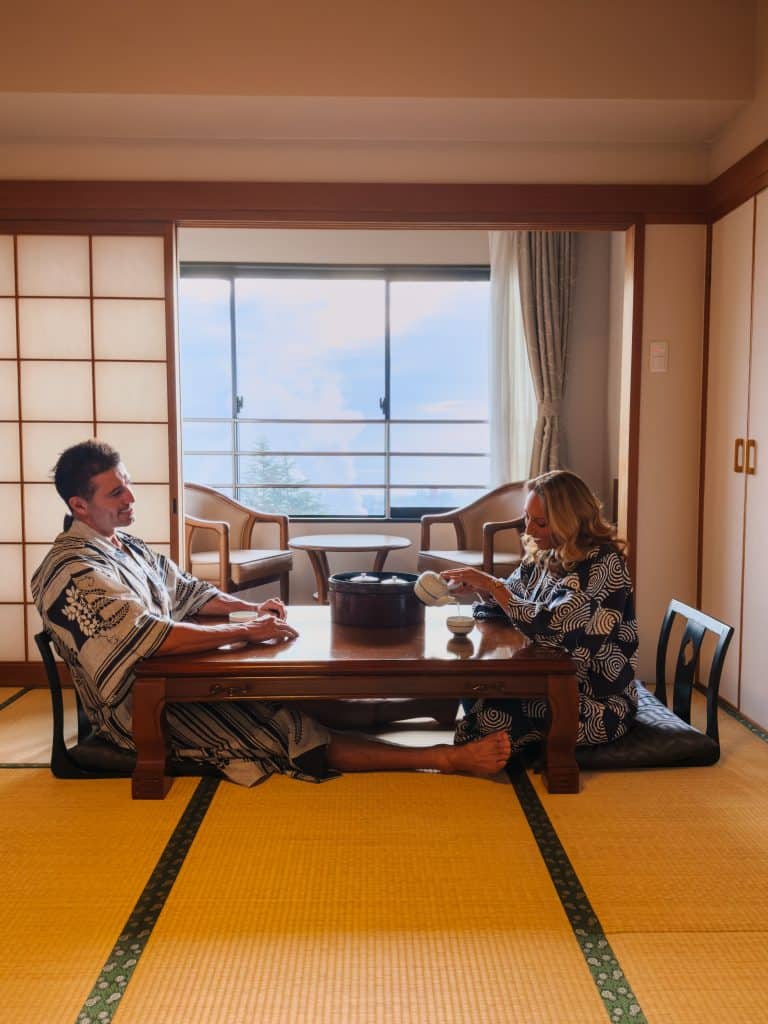
Most accommodation here is in traditional ryokan, many with their own onsens.
Staying within walking distance of the village centre makes it easy to explore without worrying about transport. Parking is generally straightforward if you are driving.
Even one night here feels restorative, and it is an ideal place to pause, recharge and fully embrace onsen culture before continuing your journey.
Fukuoka: Food, Neon and the Perfect Finish
After days of onsen towns and mountain landscapes, arriving in Fukuoka felt like the perfect reset.
It’s Kyushu’s largest city, but it reminded us more of Osaka than Tokyo.
Lively, food focused, and easy to navigate, it has energy without chaos and feels far more relaxed and liveable than Japan’s bigger hubs.
For this trip, it was the ideal place to end, with a great food scene and just enough buzz to bring everything full circle.
Why End Your Trip in Fukuoka
Fukuoka makes sense as a final stop thanks to its excellent airport connections, easy train access, and lively atmosphere.
After days of slow travel, it was genuinely nice to be back in a big city with buzz, lights and endless food options, without feeling overwhelmed.
What Makes Fukuoka a Food City
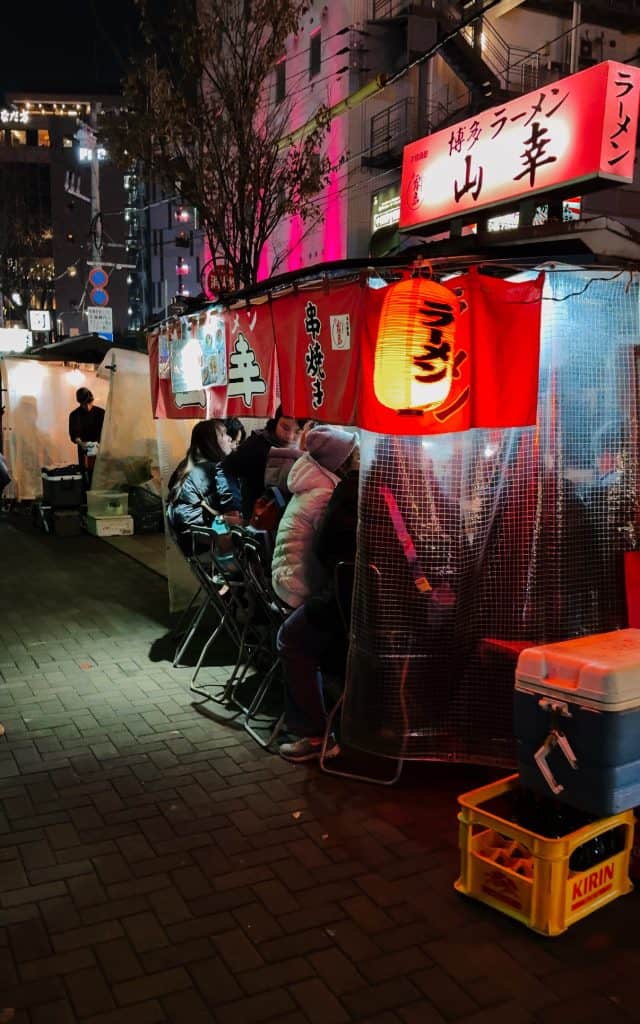
Fukuoka is one of Japan’s best food cities and proudly so. It is the home of Hakata ramen, but what really sets it apart is how casual and accessible the food scene feels.
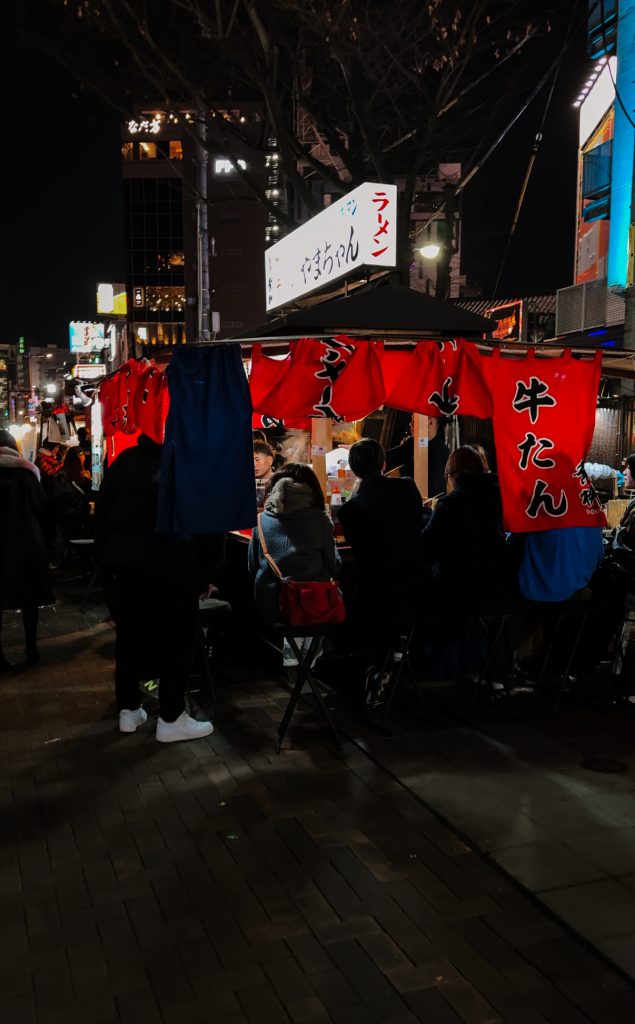
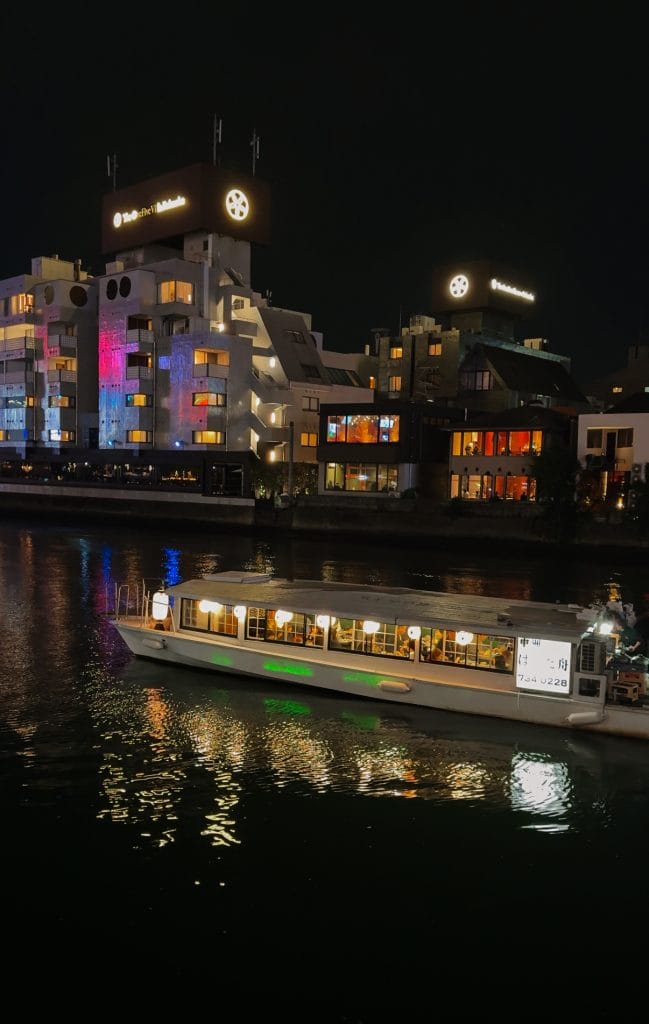
The city is famous for its yatai, open air food stalls that line the river and streets at night.
Sitting on a stool, ordering a few dishes, and soaking up the atmosphere is one of the easiest and most memorable ways to experience the city.
Best Things to Do in Fukuoka
If you only have one night, focus on food and wandering.
Head to Nakasu in the evening for yatai food stalls along the river, then explore Hakata after dark, when the city lights up and feels lively but not hectic.
If you are staying longer, a few other spots are well worth adding:
- Ohori Park, a spacious lakeside park that is perfect for a morning walk
- Fukuoka Castle ruins, especially in spring or autumn
- Tenjin, the main shopping and dining district
- Canal City Hakata, a large entertainment and dining complex
- A visit to a local ramen shop to try Hakata style tonkotsu ramen properly
Where to Stay in Fukuoka
For a short stay, Hakata is the most convenient area to base yourself.
It is close to the main station and airport connections and keeps everything simple if you are flying out the next day.
Staying near Nakasu or Gion also works well if you want the evening food scene within walking distance.
After the calm of Kyushu’s quieter stops, Fukuoka brings the trip full circle and finishes it on a high.
For longer itineraries, Fukuoka also makes an easy transition point before continuing on to Kyoto and Osaka by train or flight.
How We Flew to Southern Japan: Why This Route Makes Sense
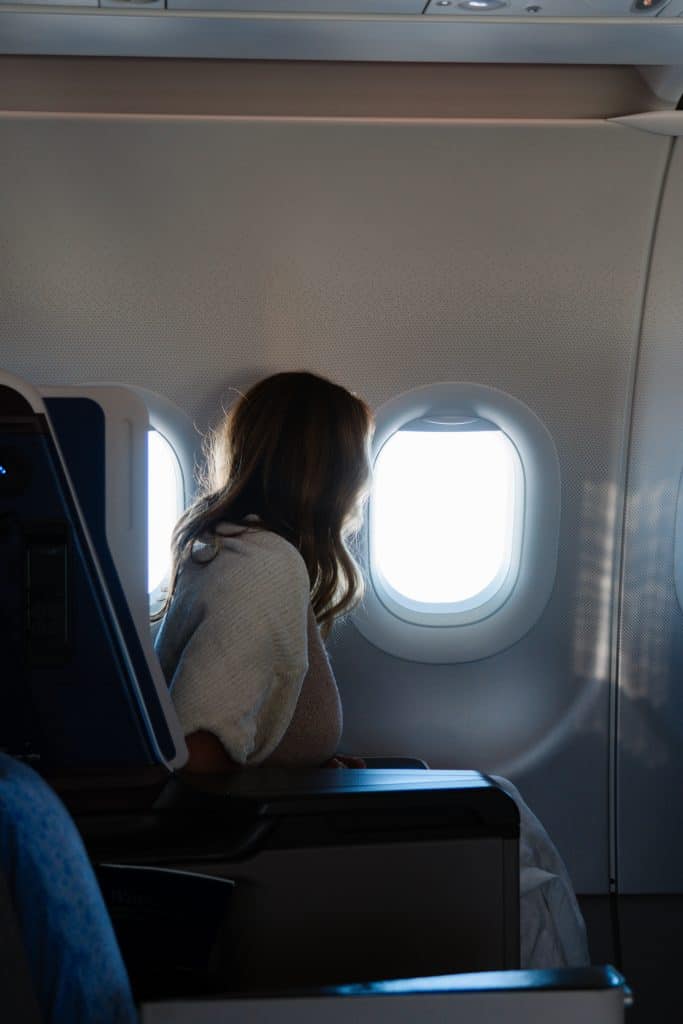
For this trip, we flew with China Airlines, which turned out to be one of the most seamless ways to explore Kyushu.
We travelled:
- Premium Economy Class outbound (Australia → Taipei → Kagoshima)
- Premium Business Class on the return (Fukuoka → Taipei → Australia)
China Airlines departs from three Australian cities and connects to 11 destinations in Japan, making it a strong option if you’re travelling beyond Tokyo or Osaka.
Why an Open-Jaw Flight Is Key
Flying into Kagoshima and out of Fukuoka meant:
- No backtracking
- Less time on trains
- A smoother northbound journey
Lounge & Transit Experience in Taipei
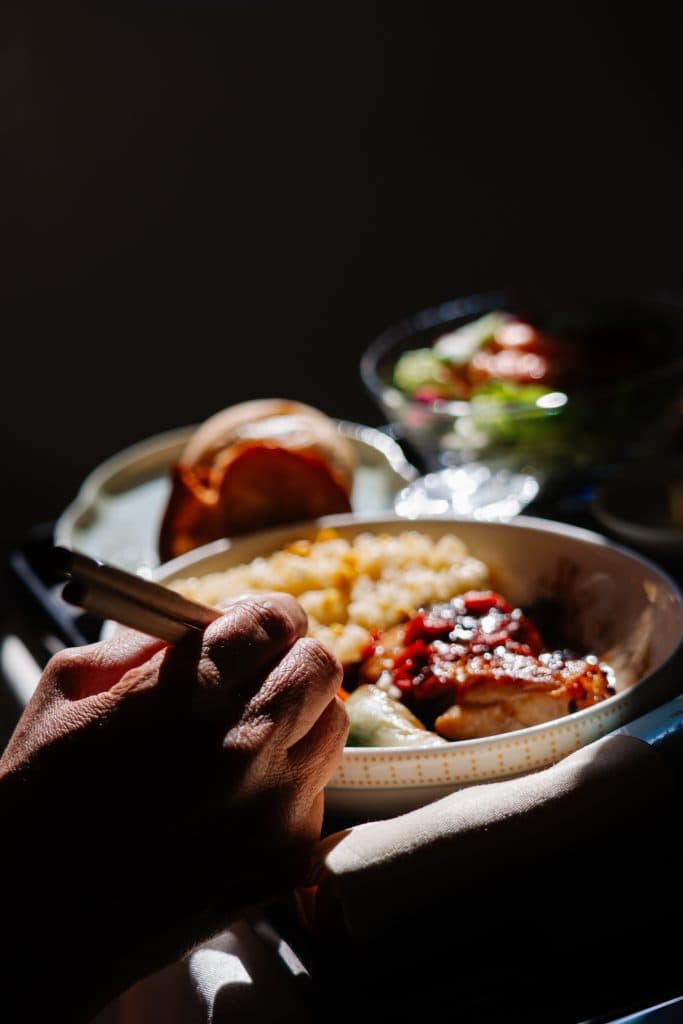
The Taipei transit experience was genuinely enjoyable. The lounge served local Taiwanese food without leaving the airport, including:
- Signature beef noodle soup
- Pineapple cake
- Bubble milk tea
Being able to pre-order meals online, plus complimentary unlimited Wi-Fi in Premium Business Class, made the journey feel effortless.
If this route makes sense for your trip, it’s easy to check timings and availability directly on the China Airlines site and see how it lines up with your plans.
FAQ’s: Planning a Southern Japan Trip
Is Kyushu good for first-time visitors?
Yes. It is ideal if you prefer scenic landscapes, onsens, and fewer crowds over large, fast-paced cities.
Do Australians need a visa for Japan or Taiwan?
Australian passport holders can currently enter both Japan and Taiwan visa-free for short stays, which makes this route particularly straightforward for Australian travellers. Visa requirements can vary by passport type and length of stay, so it’s always best to check the latest government advice before travelling.
Are Beppu, Yufuin and Kurokawa among the best onsen towns in Japan?
Yes. Beppu, Yufuin and Kurokawa are often listed among the best onsen towns in Japan, each offering a different experience, from Beppu’s variety of baths to Yufuin’s calm streets and Kurokawa’s traditional ryokan atmosphere.
Do I need a car?
A car is strongly recommended for Mount Aso, Takachiho and Kurokawa. We booked ours through Klook. You can save 10 percent with our code KLOOKGABTK. Trains work well for the rest of the route.
Is Beppu or Yufuin better?
They are very different. Beppu feels raw and volcanic, while Yufuin is calm and charming. Doing both gives you the best contrast.
Are private onsens common?
Yes. Private and family onsens are especially common in Beppu and Kurokawa.
How long do you need for this route?
Seven to ten days is ideal for Kyushu alone. If you have closer to two weeks, adding Kyoto and Osaka after this route creates a balanced first Japan trip without the overwhelm.
Final Thoughts on Kyushu’s Best Onsen Towns
Southern Japan offers a side of the country many travellers miss, one shaped by volcanoes, hot springs and small towns rather than bullet trains and skyscrapers.
With a smart transport mix and the right flight routing, this journey is surprisingly seamless and deeply rewarding.
If you’re planning a Japan trip that feels calmer, more scenic and a little different, this is one route worth considering.
Looking for more Japan inspiration? We’ve got plenty to show you on Instagram! Head on over and find us at @global.and.beyond.travel. See you there!