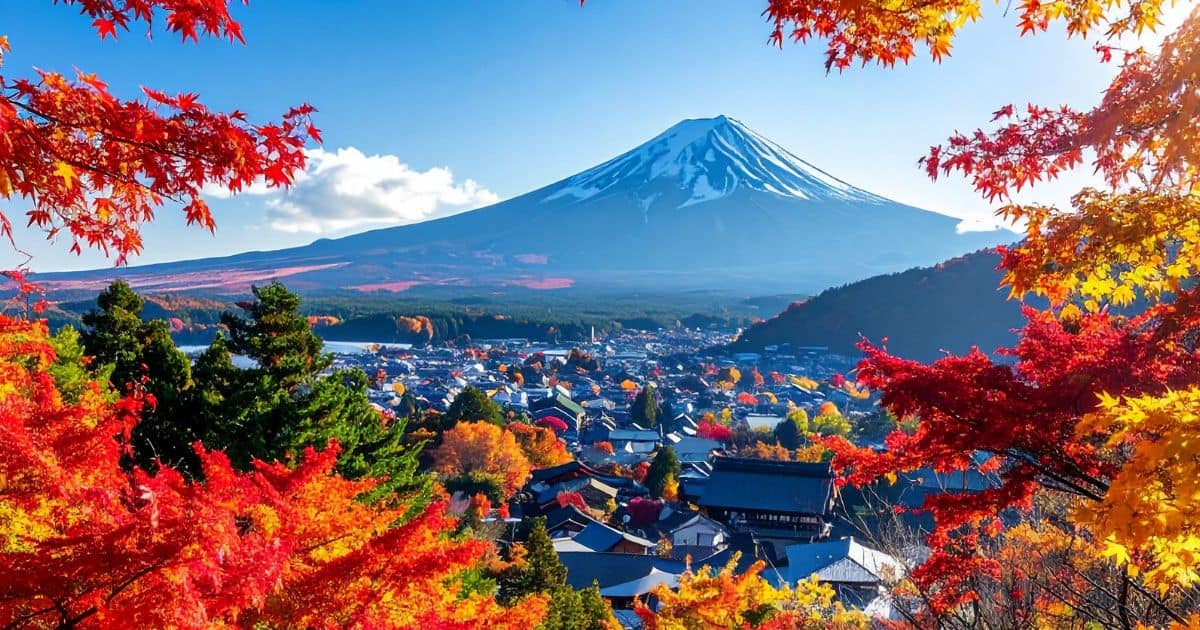
Japan Public Transport Guide for First-Timers
If there’s one thing that stresses people out before their first trip to Japan it’s transport.
Not the language.
Not the food.
Not even the crowds.
It’s the trains.
Bullet trains metro lines IC cards ticket gates platforms that feel the size of airports. It can all feel like a lot before you’ve even landed.
So let’s slow it right down.
Japan’s public transport is actually one of the most reliable and logical systems in the world. You don’t need to memorise it. You just need to understand how the pieces fit together. Once that clicks everything else gets easier.
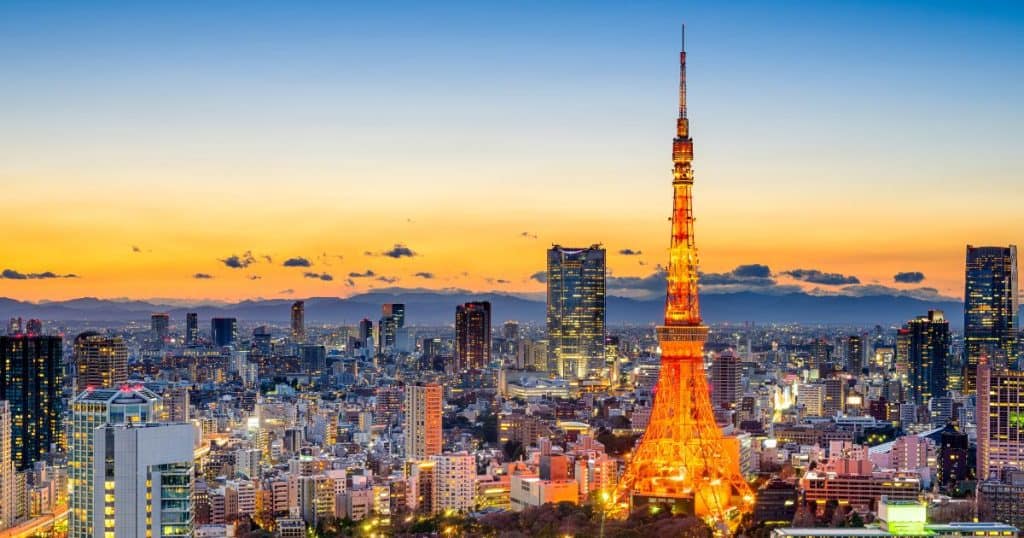
The One Thing to Understand First: This Changes Everything
Before we get into specifics here’s the mental shift that makes Japan transport feel manageable.
You’ll use two types of transport on your trip.
Local transport for daily sightseeing like metro lines city trains and buses. This is easiest with an IC card.
Long distance transport between cities using the Shinkansen. This needs a proper ticket and usually a seat reservation.
That’s it.
IC card for everyday taps. Shinkansen tickets for big travel days.
If you want everything laid out step by step this is exactly how my Stress Free Japan Guide is structured with arrivals transport and daily planning all in one place.
IC cards in Japan Suica Welcome Suica ICOCA
This is usually where the anxiety starts and honestly it doesn’t need to.
An IC card is just Japan’s version of tap and go. You’ll use it constantly and after the first day you’ll barely think about it.
You can use an IC card on local trains and subways, city buses, convenience stores, and vending machines and for small purchases at stations. It quickly becomes your everyday travel wallet.
The biggest relief is that you do not need a different card for every city. Major IC cards work across Japan’s big cities including Tokyo Kyoto and Osaka. Once you have one you’re set.
Your easiest options for iPhone users is hands down the Welcome Suica app. This is ideal if you prefer digital.
If you prefer physical, grab an IC card from a 7 Eleven or Lawson. My husband uses Android and we always grab a physical card from a convenience store. It works exactly the same way. Tap on, tap off, done.
One important expectation check is that IC cards are not a replacement for Shinkansen tickets. You still need to buy your bullet train tickets separately. Think of your IC card as your daily local pass not your long distance travel solution.
If you want a bigger picture overview, my Things to Know Before Going to Japan guide covers everything you need to know in 2026, from arrival basics and transport to cultural tips and common first-timer mistakes, so you feel prepared before you even land.
Shinkansen Bullet Trains: What You Actually Need to Know
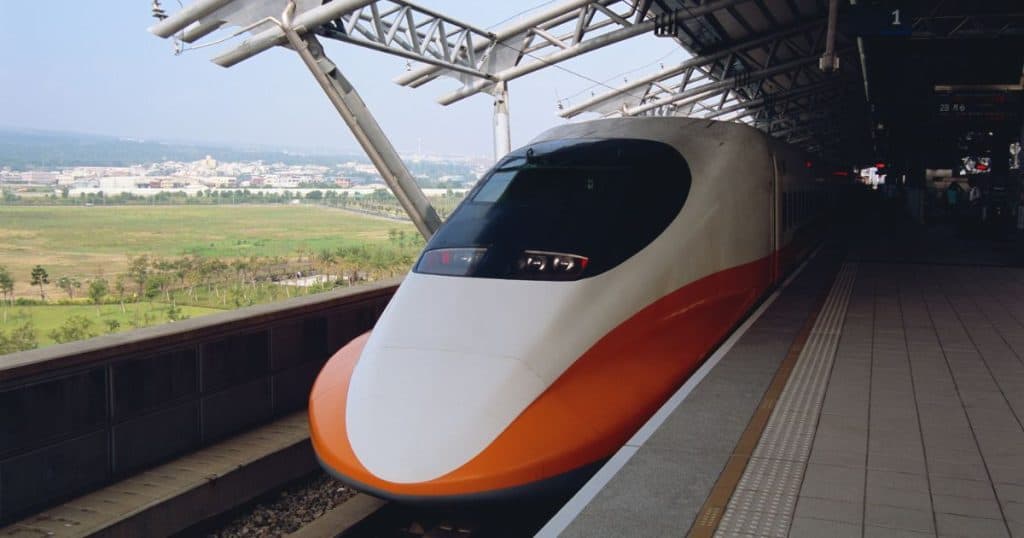
The Shinkansen looks intimidating but using it is far simpler than it appears.
You’ll usually choose between a reserved seat with an assigned car and seat number a non reserved seat where you line up and sit wherever is available and the Green Car which is quieter and more spacious.
If this is your first trip you’re travelling with luggage or it’s a busy time of year, reserved seats remove a lot of mental load.
On major routes like Tokyo to Kyoto or Osaka, large suitcases need a specific reservation if they exceed size limits.
Carry on sized suitcases are usually fine. Large check in suitcases should be booked with an oversized luggage seat. If you’re unsure station staff will help you choose correctly.
Let’s break down sizes below so you know before you go:
- If your suitcase measures under 160 cm total (that’s height + width + depth), it can go in the overhead rack and doesn’t need anything extra.
- If it measures between 160 cm and 250 cm, it’s classed as oversized and you’ll need to reserve a seat with an oversized luggage space when booking your ticket.
- Bags larger than 250 cm total aren’t allowed on board. There’s no extra charge for the oversized luggage seat, it just needs to be reserved in advance.
How to Buy Shinkansen Tickets Without Overthinking It
This is where people spiral and it really doesn’t need to be complicated.
The least stressful option is buying your tickets at the station. You can visit a staffed ticket counter or use English language ticket machines for reserved seats.
All you need to tell them is where you’re going, what day you want to travel, your rough departure time and whether you want reserved or non reserved seating.
They do this all day every day.
If you’re travelling the classic Tokyo, Kyoto, Osaka route, I’ve mapped out the easiest way to structure those travel days in my First Timers Guide to Japan.
You can book online in advance if you’re travelling during peak seasons or want to lock in a specific train but it’s not required for a smooth trip.
We always book our trains and experiences on Klook. Use our discount code for 10% off: KLOOKGABTK
Japan doesn’t expect first time visitors to pre book everything weeks ahead.

What To Do On The Day Of Shinkansen Travel
On the day you’ll:
- Enter the Shinkansen gates
- Check the departure board for your train name and time
- Go to the correct platform
- Stand on the floor markings for your car number
- Board calmly
- Store your luggage and sit down
I promise you it’s that easy!
If you’re ever unsure, just show your ticket to a staff member. They’ll point you in the right direction.
Navigating Local Transport in Tokyo
Tokyo looks overwhelming on a map, but day to day it’s very manageable.
You don’t need to understand Tokyo’s entire train network. You just need to follow Google Maps and trust it.
What actually makes Tokyo easier is tapping in and out with your IC card, following line colours and platform numbers and paying attention to exit numbers, which saves a huge amount of walking.
You’ll feel clumsy on day one. By day three, it suddenly clicks.
Osaka Transport: Tokyo But Easier
Osaka follows the same rules as Tokyo, just with less intensity.
There are fewer lines, fewer operators and familiar stations you revisit often.
Use your IC card, follow Google Maps, and don’t overthink it. Most visitors feel confident here very quickly.
Kyoto Transport: Buses vs Trains
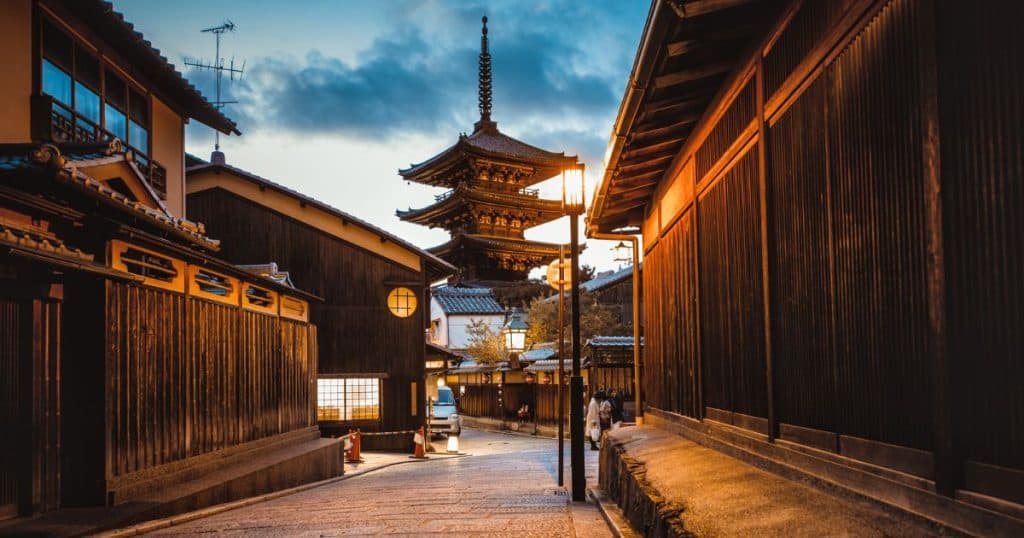
Kyoto is the city where people think they’re doing something wrong. They’re not. Kyoto just works differently.
Kyoto doesn’t rely on subways the way Tokyo or Osaka does. Many temples and sightseeing spots are best reached by bus, often combined with short walks. That doesn’t mean it’s confusing, it just means expectations need adjusting.
Trains and subways are best for crossing the city, getting close to a sightseeing area, and avoiding peak bus congestion. Then switch to buses for the final stretch.
If Kyoto feels overwhelming, staying in the right area. Grouping sights properly also makes a huge difference and I break that down in my Best Travel Guide to Japan.
Kyoto Sightseeing Loop Buses
If Kyoto transport feels overwhelming, this option can be a confidence booster.
Kyoto runs sightseeing loop style buses – including EX100 and EX101 – designed to connect major tourist areas.
You can catch them from Kyoto Station at the Karasuma Exit on the north side. They link areas such as Gion, the Kiyomizudera area, and northern Kyoto sights like Ginkakuji, depending on the route.
The cost is 500 yen per ride. You board at the front and pay when you get on. IC cards are accepted.
They’re not always the fastest option, but they are one of the least stressful for first time visitors.
Final Transport Tips That Calm Nerves Instantly
- Build in extra time for station exits.
- Don’t chase the perfect train, aim for the next reasonable one.
- If something feels overwhelming, choose the calmer option, such as reserved seats over non reserved, ticket counters over machines, and trains over buses during peak hours.
- Everyone feels unsure on day one, even people who’ve been before. Heck! We’ve been four times and Japan STILL sends me into a spin some days!
Japan Transport FAQs For First Time Travellers
Do I need a Japan Rail Pass for my first trip?
Not usually. Most first time itineraries don’t include enough long distance travel to make it worthwhile. Buying individual Shinkansen tickets is often simpler.
Can I use one IC card across all of Japan?
In major cities and regions, yes. One IC card works across Tokyo, Kyoto, Osaka, and many other areas.
Is the Shinkansen hard to use?
It looks intimidating, but it’s very structured. Platforms are clearly marked, trains run on time, and reserved seats remove most guesswork.
What happens if I get on the wrong train?
You won’t get in trouble. Station staff are used to helping tourists and adjusting tickets if needed. We’ve had it done for us plenty of time mid transit.
Is it better to use buses or trains in Kyoto?
Both. Trains are best for crossing the city, while buses are often needed for the final stretch to temples and sightseeing areas.
Do I need cash for transport in Japan?
It helps to have some cash but IC cards are accepted on most city transport and Shinkansen tickets can be bought with card at stations.
What’s the biggest mistake first time travellers make?
Trying to understand everything before they arrive. Japan transport is best learned as you use it.
Final Thoughts on Japan Public Transport
You don’t need to master Japan’s transport system to use it well.
Once you understand the basics and take it one ride at a time, the stress drops away quickly. After your first few taps and your first Shinkansen ride, you’ll realise how calm and predictable it all is.
Japan public transport isn’t something to fear. It’s one of the reasons travelling here feels so easy once you’re on the ground!
If Japan planning still feels overwhelming, we break it down daily on Instagram at @global.and.beyond.travel. See you there!