Bali Is Beautiful, But It’s Busy: 4 Alternatives We’d Choose for Fewer Crowds
I’m going to start this with something slightly controversial considering you’re probably here because you’re planning a Bali holiday.
I still think you should go to Bali.
I know, I know. You’ve seen the videos. The traffic. The queues. The packed beach clubs. The photos of someone trying to get that dreamy shot at a waterfall while approximately 47 other people wait behind them to take exactly the same one.
And unfortunately, some of it is true.
Bali welcomed almost 6.95 million international visitors in 2025, its highest number on record, and you really feel that growth in places like Canggu, Seminyak, Ubud and Uluwatu.
But here’s where I think people get it wrong.
Bali being busy doesn’t suddenly mean Bali isn’t worth visiting.
If it’s your first trip, I absolutely understand wanting to see the rice terraces around Ubud, eat your way around Seminyak, watch the sun disappear over Uluwatu and experience the temples, food and culture that made Bali famous in the first place.
I just wouldn’t make Bali the whole trip anymore.
Because some of our favourite places in this part of Indonesia are sitting ridiculously close by.
Lombok. Nusa Lembongan. Tiny Nusa Ceningan. And, with one fairly large caveat that we’ll get to, Nusa Penida.
If what you’re searching for is a quieter alternative to Bali, fewer crowds, beautiful beaches and that slower island feeling you probably imagined when you booked the trip in the first place, this is where I’d look.
And no, you do not need to disappear halfway across Indonesia to find it.

First things first: where should you actually stay in Bali?
This is probably one of the biggest mistakes I see first-time visitors make.
They find ten things they want to do in completely different parts of Bali, book one hotel and think they’ll just “pop over” to each of them.
You may not be popping anywhere.
Bali isn’t enormous, but travelling around its busiest areas can be painfully slow. Traffic congestion is now a major issue around places including Canggu, Seminyak, Kuta and Uluwatu, so something that looks close on a map can eat up a surprising chunk of your day.
So rather than choosing your Bali base because TikTok told you Canggu was cool, decide what you actually want from the trip.
Ubud is where I’d go for temples, rice terraces, culture, spas and that lush inland Bali scenery.
Seminyak works if you want restaurants, shopping, beautiful hotels and easy access to beach bars and sunsets. It’s busy, but for a first visit it’s still a very convenient base.
Canggu has the cafés, beach clubs, surf and nightlife people go looking for, but it’s also one of the areas where traffic and development are impossible to ignore.
Uluwatu and the Bukit Peninsula are better if beaches, clifftop views, surf and sunsets are the priority.
Sanur is a much calmer option and one I think gets overlooked. It also makes a very practical stop before travelling out to the Nusa Islands.
And Nusa Dua is the easy resort holiday: polished hotels, calmer beaches and very little requirement to do much of anything at all.
Indonesia’s official tourism site similarly distinguishes areas such as Kuta, Seminyak, Sanur and Nusa Dua by their different beach, dining and resort styles.
The main thing?
Don’t try to see all of Bali from one base.
And definitely don’t assume you need to spend your entire Indonesian holiday on Bali itself.

So what are the best Bali alternatives?
If you’ve found this guide by searching for places like Bali but less crowded, there’s one thing worth clearing up first.
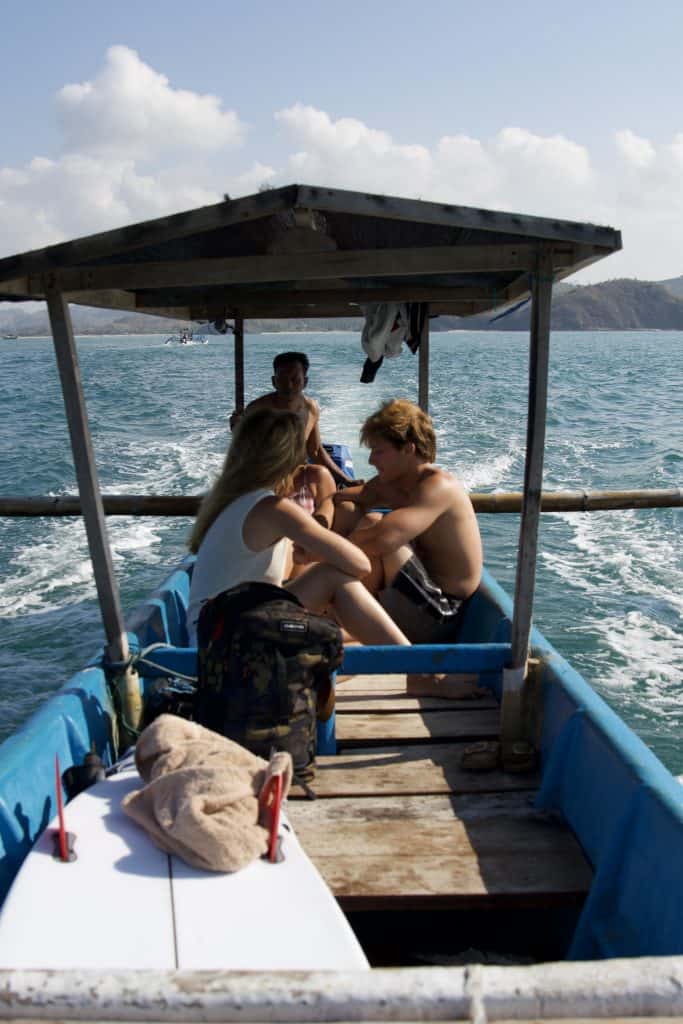
Lombok is a separate island and the closest true Bali alternative on this list.
Nusa Lembongan, Nusa Ceningan and Nusa Penida are actually part of Bali province, but they feel different enough from mainland Bali that they make brilliant additions to a Bali itinerary.
And each suits a completely different traveller.
If you want the easiest answer possible:
Choose Lombok for beaches, surf, nature and a proper change of pace.
Choose Nusa Lembongan for an easy, relaxed island escape.
Add Nusa Ceningan if you want somewhere even smaller and slower.
Choose Nusa Penida for the big, dramatic landscapes — but do not choose it because someone told you it was crowd-free.
More on that in a minute.
Lombok: our pick if Bali simply feels too busy
If you asked me which of these places is the best alternative to Bali, this would be it.
Lombok is the one.
Not because it’s some undiscovered secret. It isn’t.
And I’m always slightly nervous when people describe places as “Bali 20 years ago” because Lombok isn’t Bali and it has its own culture, communities and personality.
But I understand why people make the comparison.
You still have surf towns, beautiful cafés, scooters buzzing around, ridiculously pretty beaches and enough tourism infrastructure that travelling here doesn’t feel difficult.
There’s just more room.
That difference hit us particularly hard on the south coast.
One minute you’re sitting in Bali traffic wondering why Google Maps keeps insisting something is 25 minutes away when you haven’t moved for ten minutes.
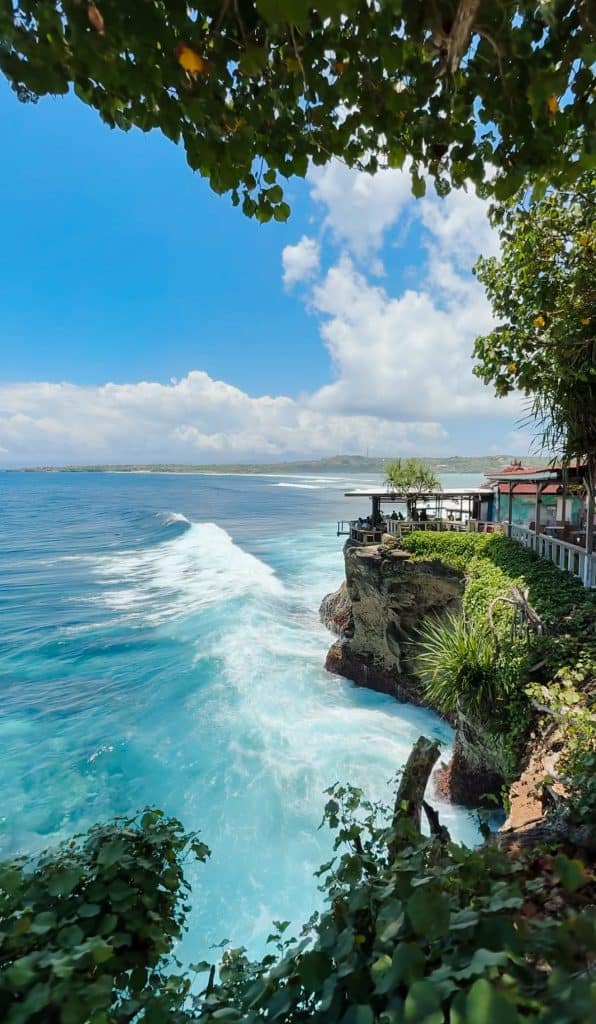
Then you’re riding along the coast in Lombok with green hills on one side, flashes of turquoise water on the other and considerably fewer people around you.
That is the part I loved.
Official Indonesian tourism information highlights the south of Lombok for beaches including Kuta, Tanjung Aan, Mawun and Selong Belanak, as well as Merese Hill and the surf around the southern coastline.


Where should you stay in Lombok?
This is where people get confused because Lombok is not the sort of place where you should randomly choose a hotel marked “Lombok” and assume everything will be nearby.
It’s a big island.
For most first-time visitors, I’d stay around Kuta Lombok.
And yes, there is a Kuta in Bali and a Kuta in Lombok. They are very much not the same place.
Kuta Lombok is the main base for exploring the southern beaches and surf breaks. You’ve got restaurants, cafés, accommodation and everything you need for a few easy days, while still being close enough to head out exploring.
If surfing and beaches are the reason you’re coming, this is the obvious choice.
Senggigi, over on the west coast, makes more sense if you’re heading towards northern Lombok or the Gili Islands and want a more traditional resort base.
If you’d rather trade beach bars for rice fields, Tetebatu is the inland option. Think rice terraces, villages, greenery and a much slower few days.
Further north, Senaru is useful for waterfalls and Rinjani trekking, while Sembalun gives you those huge mountain landscapes around Mount Rinjani.
My biggest piece of advice is to choose your Lombok accommodation around what you actually want to see.
Trying to use Kuta Lombok as a base for the far north and casually popping back for dinner is a very good way to spend your holiday looking through a car window.
The best things to do in Lombok
If you’re based in Kuta Lombok, give yourself at least one day with absolutely no complicated plan.
Head west along the coast towards Selong Belanak, a huge curve of pale sand known for its gentler beginner surf.
Then there’s Mawi, which feels much rougher around the edges, and Are Guling, another favourite with surfers.
To the east, Tanjung Aan is one of those beaches where the colour of the water looks as though someone has been a little enthusiastic with the editing — except it actually looks like that.
Nearby Merese Hill is one of the south coast’s best-known sunset viewpoints.
For surfers, Gerupuk Bay has multiple breaks accessed by local boats, while Selong Belanak is generally the much friendlier choice if you’re just learning. Indonesia’s tourism authority specifically recommends Selong Belanak for beginners and Gerupuk for more experienced surfers.
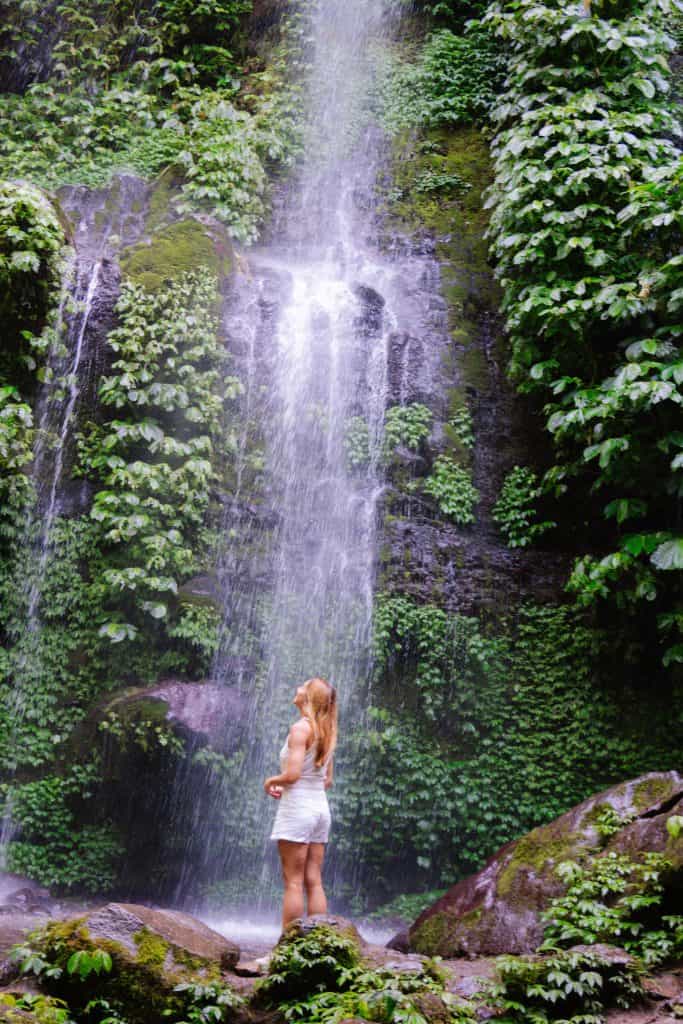
Away from the coast, you can head inland to Tetebatu, visit traditional Sasak villages such as Sade, explore the waterfalls around northern Lombok or tackle Mount Rinjani.
And by “tackle Mount Rinjani”, I obviously mean you can.
I will support you emotionally from considerably closer to sea level.
Rinjani rises to 3,726 metres and is the adventure end of a Lombok trip rather than something I’d casually wedge between brunch and a massage.
If you have longer, Lombok also makes it easy to add the Gili Islands off the northwest coast.
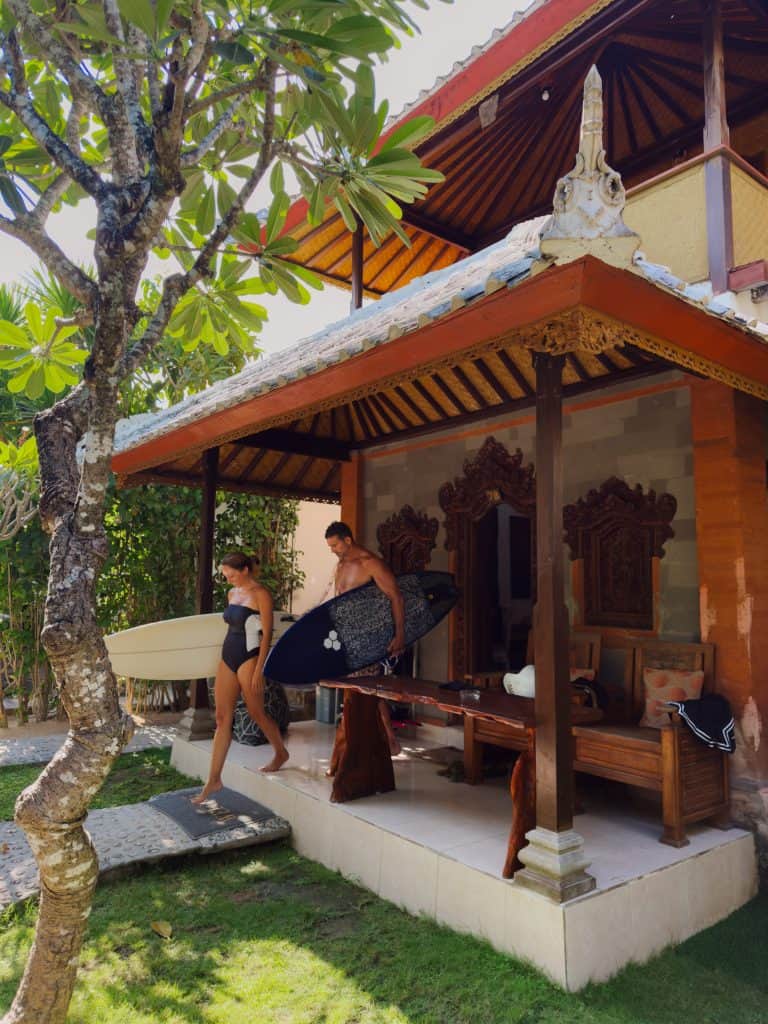
How many days do you need in Lombok?
I’d give Lombok at least four nights if this is your first visit.
With four or five nights, you can base yourself around Kuta, explore the south coast properly and still have enough downtime that the whole thing doesn’t turn into a military operation.
If you want to include Tetebatu, the north, Rinjani or the Gilis, give yourself longer.
And this is where Lombok vs Bali comes down to what sort of holiday you actually want.
Bali wins for sheer variety, restaurants, hotels, culture, shopping and nightlife.
Lombok wins for us when we want beaches, scenery, surf and considerably less chaos.
I wouldn’t necessarily choose one.
For a first trip, I’d combine them.
Nusa Lembongan: the easiest escape from busy Bali
If Lombok feels like one logistical step too many, go to Nusa Lembongan.
This is the alternative I’d recommend to someone saying:
“I only have a week in Bali. I want somewhere quieter. I really don’t want another flight. Please make this easy.”
Done.
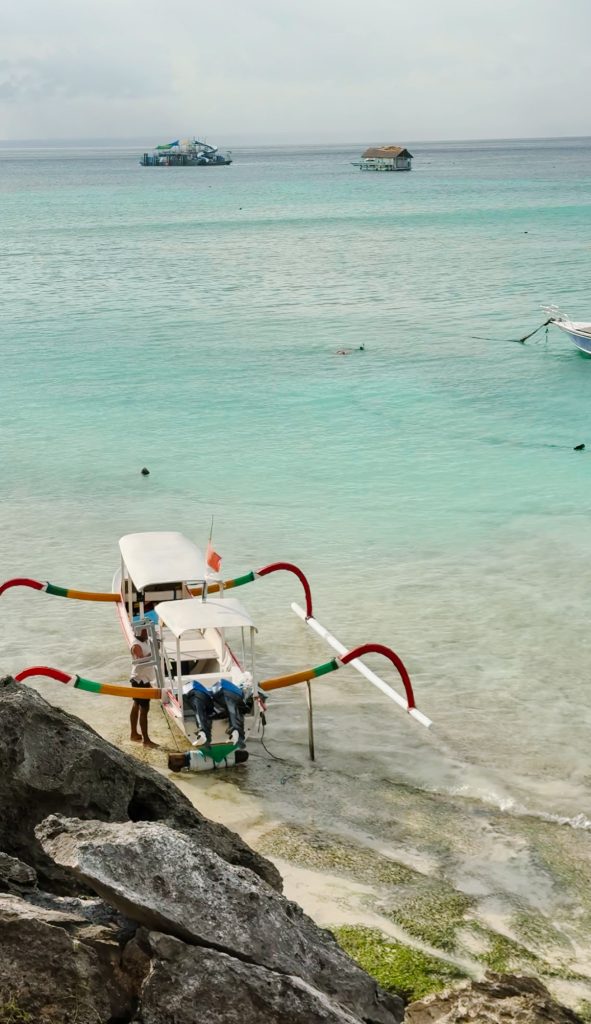
Fast boats run from Sanur to Nusa Lembongan and the crossing is generally around 30–45 minutes depending on the service and sea conditions. Indonesia Tourism also describes Lembongan as a short boat trip from the Bali mainland.
And yet it feels like you’ve gone considerably further.
Lembongan is small, easy to understand and exactly the sort of place where your itinerary tends to become less ambitious with every passing hour.
Which, frankly, is sometimes exactly what a holiday needs.
Where to stay in Nusa Lembongan
For a first visit, I’d narrow it down to two areas.
Jungut Batu is the practical choice.
It has the biggest concentration of accommodation, restaurants and cafés, a long stretch of beach and a little more going on around you. If you like being able to wander out for dinner without organising transport, this is where I’d look first.
Mushroom Bay is smaller and feels more like a contained beach holiday. It’s popular with families and couples and is a lovely choice if swimming and relaxing are higher on the agenda than having dozens of restaurants nearby.
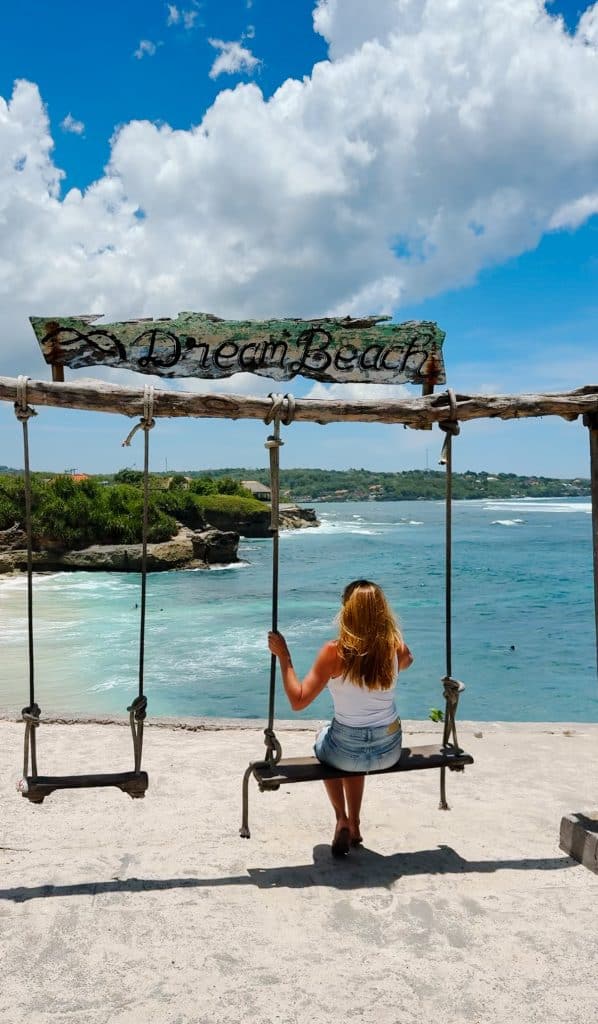
There are beautiful stays around Dream Beach too, but you’ll be a little more dependent on transport.
What should you actually do on Nusa Lembongan?
This isn’t really an island where I think you need a mammoth sightseeing checklist.
That somewhat defeats the point.
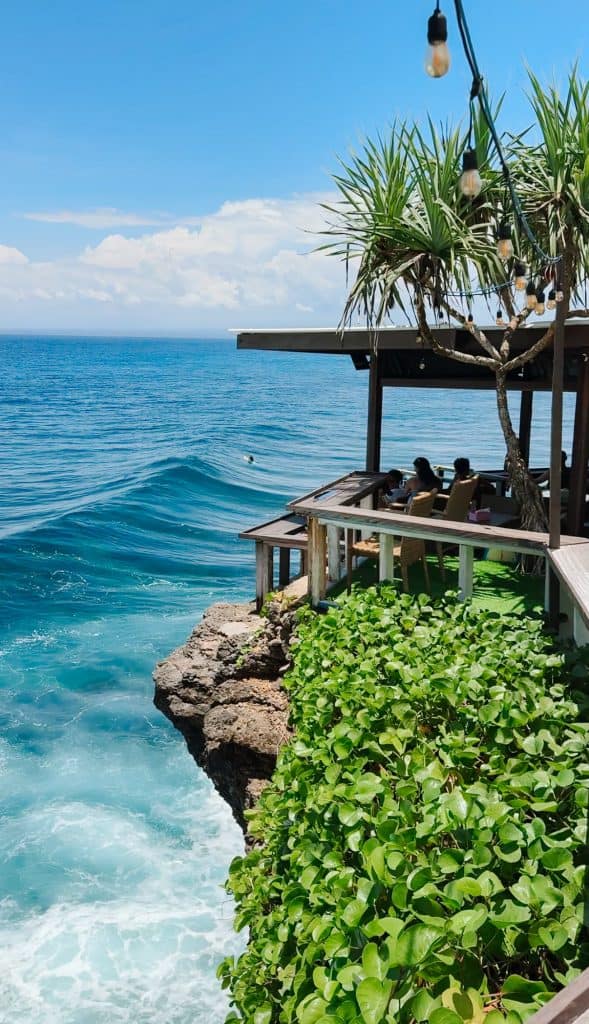
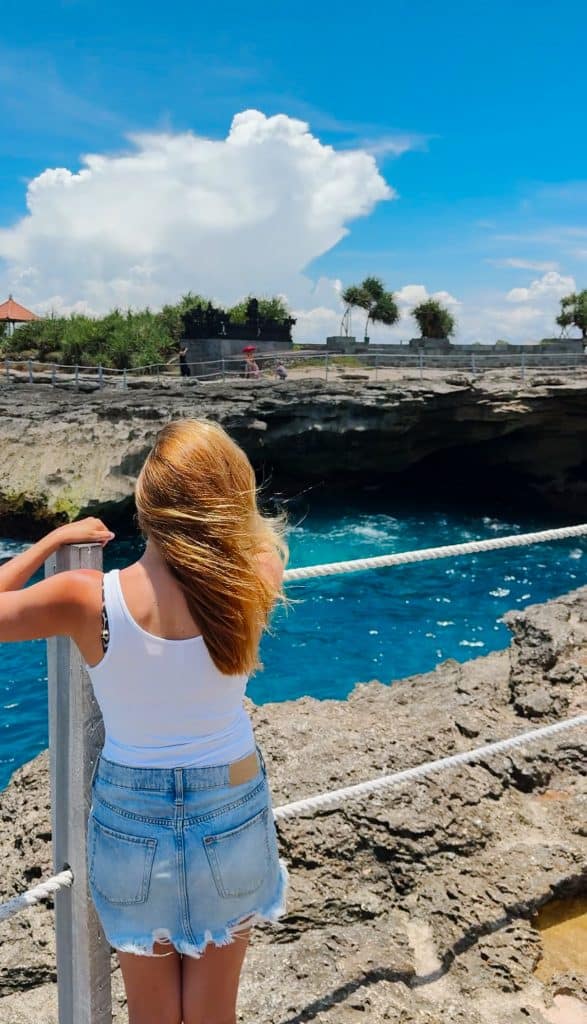
Spend some time around Jungut Batu Beach, head across to Dream Beach, and stop at Devil’s Tear, where the swell explodes against the rocky coastline.
Just don’t treat Devil’s Tear like an interactive attraction. The waves here are powerful, and those warning signs are there for a reason.
On the northeast side of the island you can explore the mangrove forest, traditionally by small boat or canoe. Indonesia Tourism specifically highlights the mangroves as one of Lembongan’s signature experiences.
Snorkelling and diving are also huge here, and you can organise trips into the waters around the Nusa Islands without necessarily basing yourself on Penida.
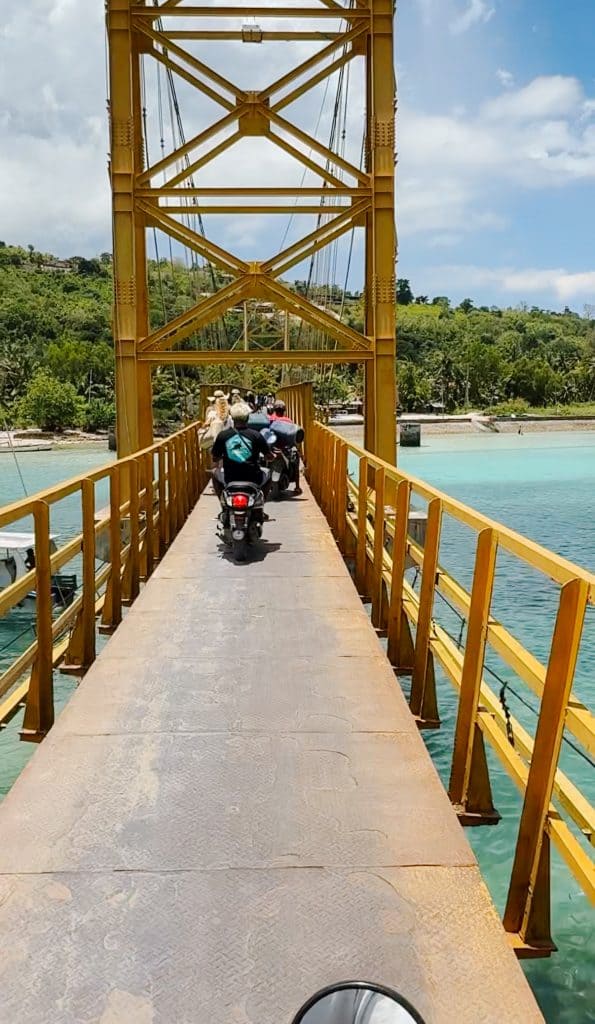
Then at some point, cross the bright Yellow Bridge.
Because that takes you to my next favourite.

How many days do you need in Nusa Lembongan?
Could you day-trip here from Bali?
Yes.
Would I?
Not unless you genuinely have no other choice.
I’d stay two or three nights so you can experience the island after the day visitors leave.
Three nights also gives you time to explore neighbouring Ceningan without moving hotels.
There’s a reason travellers repeatedly debate Nusa Lembongan vs Nusa Penida when planning a Bali itinerary: they offer completely different trips.
My simplest explanation is this:
Lembongan is where I’d go for the holiday.
Penida is where I’d go for the sightseeing.
Nusa Ceningan: tiny, quiet and ridiculously easy to add
Nusa Ceningan is the little island people tend to forget about.
Which is partly why I like it.
There’s no dramatic ferry journey involved if you’re already staying on Lembongan. You simply cross the Yellow Bridge and suddenly you’re on an even smaller island with fewer places to stay, fewer restaurants and considerably fewer reasons to rush.
Lembongan and Ceningan are connected directly by the bridge, so they work beautifully as a combined stay rather than two completely separate destinations.
And that’s exactly how I’d do them.
What to do on Nusa Ceningan
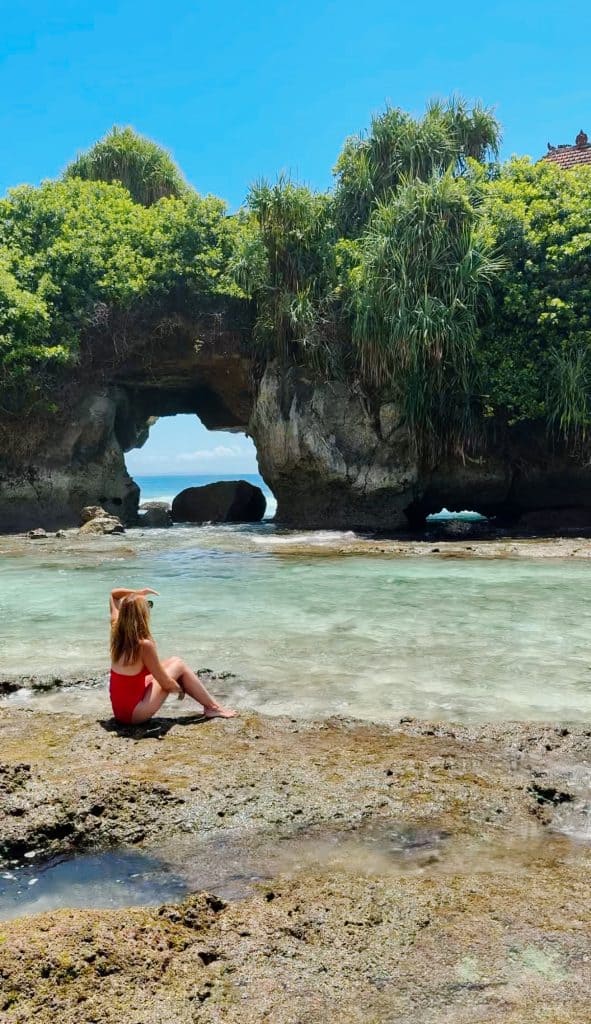
The best-known sight is the Blue Lagoon, where that almost fluorescent blue water sits beneath rugged cliffs.
The Yellow Bridge itself has become one of the island’s landmarks, but Ceningan is less about ticking things off and more about wandering.
You’ll find coastal viewpoints, little beach bars, seaweed-farming areas and places to stop for lunch overlooking the channel between Ceningan and Lembongan.
This is not where I’d come because I had a list of 17 things I needed to accomplish before 4pm.
I’d come because I wanted two hours to mysteriously disappear over lunch.
Should you stay on Ceningan or Lembongan?
If it’s your first visit, I’d probably stay on Lembongan and explore Ceningan from there.
Lembongan gives you more accommodation and restaurant choices, while Ceningan is only across the bridge.
If you specifically want peace, a little villa with a view and very little happening around you, staying on Ceningan can be gorgeous.
Just know that quieter also means less convenient.
Which, depending on what sort of trip you’re planning, could be either a negative or the entire reason you’re coming.
Nusa Penida: spectacular… but let’s talk about the crowds
Okay.
This is where I put a fairly enormous asterisk beside the words “less crowded Bali alternatives.”
Because Nusa Penida is many things.
Beautiful? Absolutely.
Dramatic? Very.
One of the most photogenic islands around Bali? Without question.
A crowd-free secret that nobody knows about?
Absolutely not.
Places like Kelingking Beach are famous for a reason, and huge numbers of travellers arrive from Bali every morning to see them.
So if your entire motivation for leaving mainland Bali is avoiding crowds, I wouldn’t automatically send you here.
But I also wouldn’t leave Penida out of this guide, because its scenery is extraordinary.
The trick is how you visit it.
The best things to do in Nusa Penida
Most first-time visitors split the island into a west route and an east route.
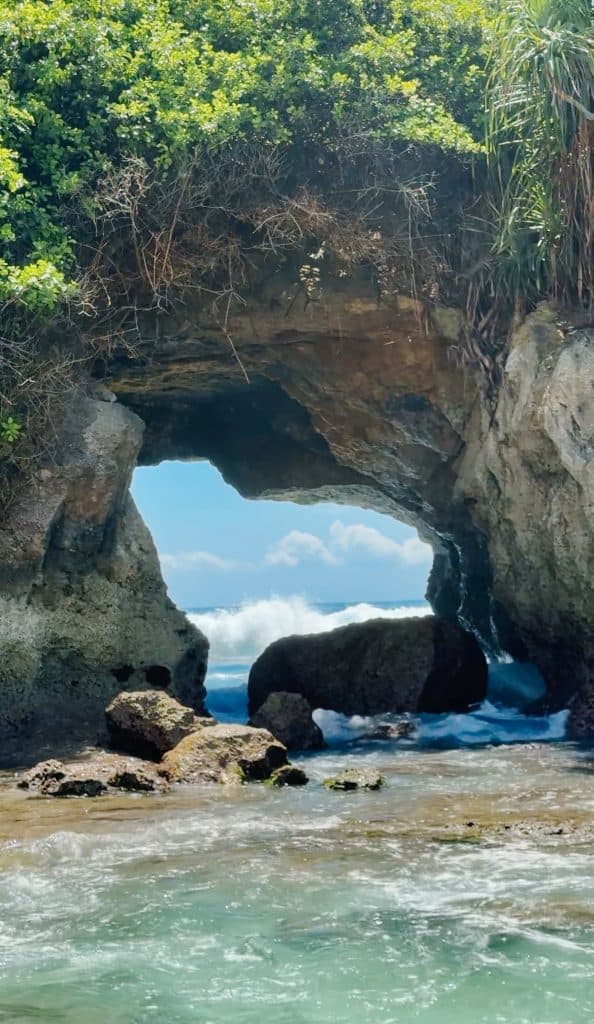
On the west you have the famous Kelingking Beach, Broken Beach, Angel’s Billabong and Crystal Bay.
On the east you’ll find Diamond Beach and Atuh Beach, along with some of Penida’s huge coastal viewpoints.
Indonesia Tourism lists Kelingking, Atuh and Broken Beach among the island’s signature sights.
And this is where people make another classic planning mistake.
They look at Nusa Penida on Google Maps and think:
“Oh, that doesn’t look very big. We’ll do both sides.”
You may technically be able to.
That does not mean you should.
Roads are slower than they look, attractions are spread out, and the popular stops become particularly congested once the Bali day trips are on the island.
Give yourself time.
Where should you stay in Nusa Penida?
If you’re staying overnight, Toyapakeh and the north-west coast are the most convenient bases for a first trip.
You’re close to one of the main harbour areas, there are restaurants and cafés nearby and you’re reasonably well positioned for the west coast sights. Current local Penida guides consistently recommend Toyapakeh/Ped for first-time visitors because of the transport and dining options.
Crystal Bay is another good option if you’d rather have more of a beachy base and easy access to sunsets.
If the eastern sights such as Diamond Beach and Atuh Beach are the priority, you can stay further east, but you’re trading convenience for location.
And that is the big thing to understand about where to stay in Nusa Penida.
Choose your hotel based on the side of the island you actually want to explore.
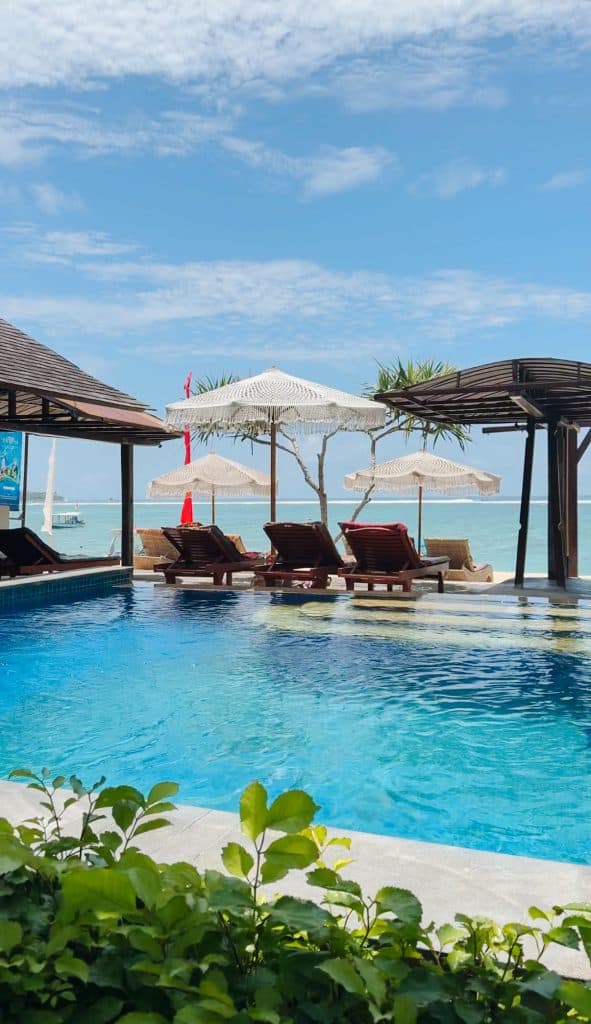
Not because the pool looked cute on Booking.com.
Should you stay overnight on Nusa Penida?
I would.
Particularly if seeing the major viewpoints is important to you.
Staying two nights means you aren’t forced to arrive with the main morning rush, fly around the island ticking off viewpoints and then immediately race back for the last boat.
It also gives you a chance to see parts of Penida outside the busiest day-trip window.
That doesn’t magically make Kelingking empty.
But it gives you options.
Nusa Lembongan vs Nusa Penida: which should you choose?
If you only have enough time for one, I think this is actually very simple.
Choose Nusa Lembongan if you want a relaxing island break with beaches, restaurants, snorkelling, sunsets and enough to do without feeling as though you’re sightseeing all day.
Choose Nusa Penida if seeing those enormous cliffs, Kelingking and the famous viewpoints is sitting right at the top of your Indonesia bucket list.
Penida gives you the bigger WOW.
Lembongan gives you the better ahhhhh.
And yes, that is now officially my unit of measurement.
Personally, if I had three or four nights and wanted the least complicated trip, I’d base myself on Lembongan, explore Ceningan and decide whether Penida warranted a day trip.
If Penida’s scenery was one of the main reasons I was visiting Indonesia, I’d stay there instead and give it two full days.
How I’d combine Bali with these islands
This is the bit I wish more people thought about before booking 11 hotels in 12 days.
You do not need to see everything.
Indonesia will still be here.
If you have one week, I’d keep things really simple: split your time between two areas of Bali or combine mainland Bali with a few nights on Lembongan.
With around 10 days, Bali and Lombok work beautifully together. Give Bali enough time for the places you came all this way to see, then finish with four or five nights around Kuta Lombok.
With two weeks, you have room for Bali, Lombok and a couple of nights on Lembongan/Ceningan without spending half the holiday packing and unpacking.
What I wouldn’t do is Bali + Lombok + Lembongan + Ceningan + Penida purely because they’re all on somebody’s “must-see Indonesia” list.
Ceningan is easy to combine with Lembongan, but every additional island still means boats, hotel check-outs and luggage.
There is no prize for visiting the most places.
All you’ll win is a very detailed knowledge of Indonesian ferry terminals.
A few things to know before leaving Bali for the islands
This is the boring part of the guide.
Unfortunately, it is also the part that can save your trip.
Don’t book tight connections after a fast boat
Sea conditions affect boat schedules.
If you have an international flight home that afternoon, personally I would not be arriving back from an island with only a tiny buffer and hoping the ocean cooperates.
Come back to Bali earlier.
Your stress levels will thank you.
Think seriously before hiring a scooter
Lombok, Lembongan, Ceningan and Penida all have travellers getting around on scooters.
That does not mean everybody should.
Only ride if you are properly licensed, experienced, wearing a helmet and covered by your travel insurance. Roads and traffic conditions vary enormously, particularly on Penida.
There is absolutely no shame in hiring a driver.
I would much rather spend money on a driver than spend my holiday discovering the inside of an Indonesian medical clinic.
Don’t assume every beach is safe for swimming
These islands sit in powerful ocean conditions.
Currents, swell and tides change.
If locals or signs tell you not to swim somewhere, believe them. Lembongan travel guidance also cautions visitors about strong currents and changing ocean conditions around its beaches.
May to October is generally the easiest weather window
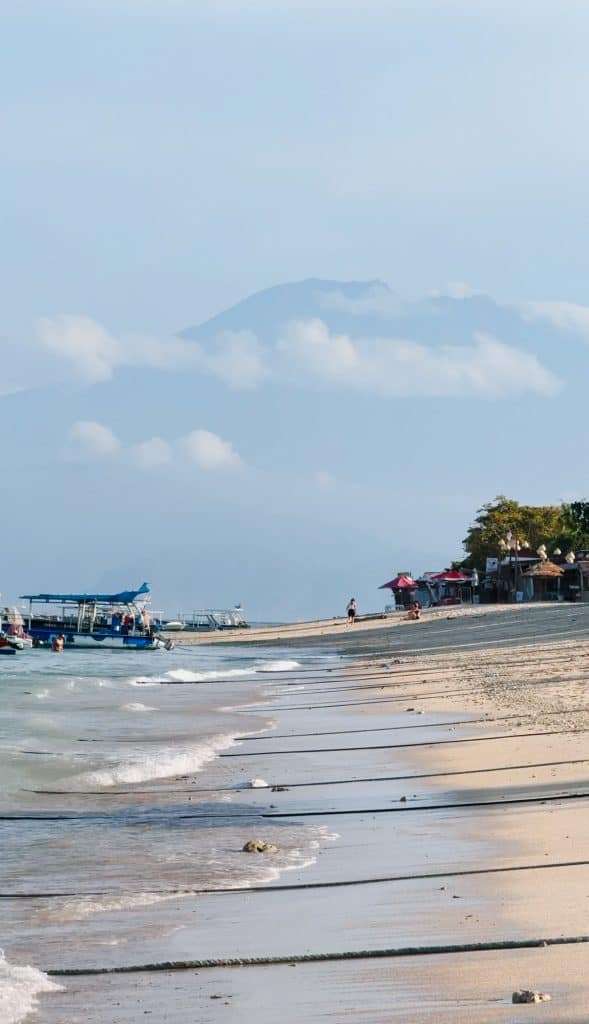
Dry season across Bali and the nearby islands is broadly April/May through October, with July and August among the busiest months.
If you have flexibility, I really like shoulder season because you can get good weather without quite the same peak-season crush.
On Lembongan, for example, local travel guidance generally points to May–October for drier weather, with May and September particularly attractive shoulder months.
Check Indonesia’s entry rules again before you fly
These things change.
As of August 2026, foreign tourists entering Bali pay a IDR150,000 Bali tourist levy, separate from Indonesian visa requirements. Australian Government travel advice also recommends checking the latest visa and arrival requirements before travelling.
Do that check when you book.
And do it again before you leave.
So… is Bali still worth visiting?
Yes.
Completely.
I don’t think we’re done with Bali. Not even close.
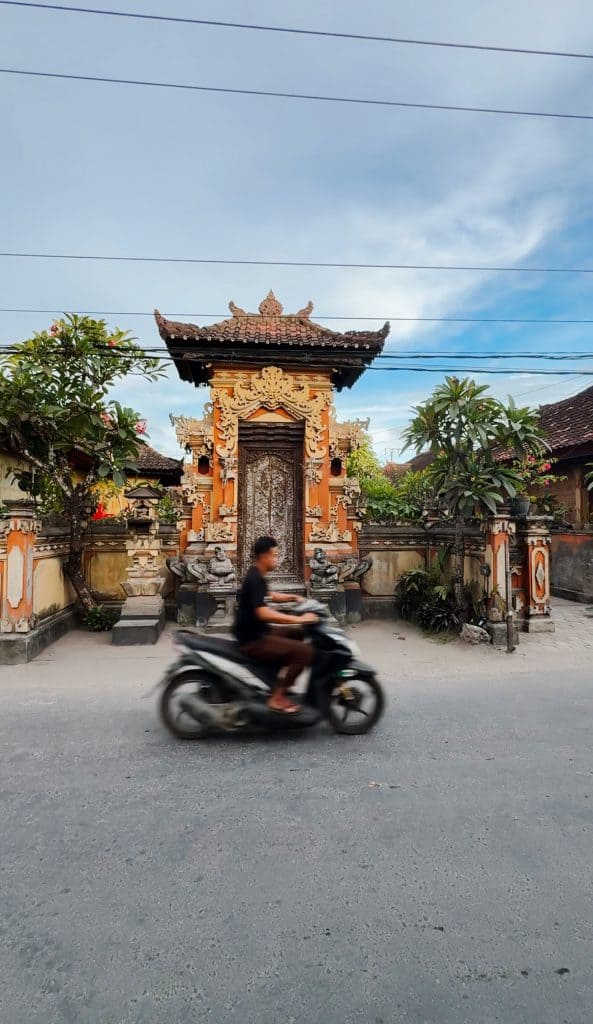
There are still places there I would happily return to tomorrow. I still love the food, the temples, the hotels, the culture, the little offerings sitting outside doorways in the morning and those sunsets that somehow convince millions of us to keep booking flights back.
But Bali has changed.
And I think the biggest mistake you can make now is travelling all the way to Indonesia and assuming Bali needs to be the entire holiday.
Because once you realise Lombok is right there…
and you can reach Lembongan with one short boat trip…
and simply wander over a little yellow bridge to Ceningan…
and that some of Indonesia’s most ridiculous coastal scenery is waiting on Penida…
the whole trip suddenly gets more interesting.
So yes.
Go to Bali.
See the places you’ve been dreaming about.
Then go a little further.
That’s where some of our favourite bits have been.