Nara Day Trip From Kyoto or Osaka: How to Ride the $10 Luxury Train
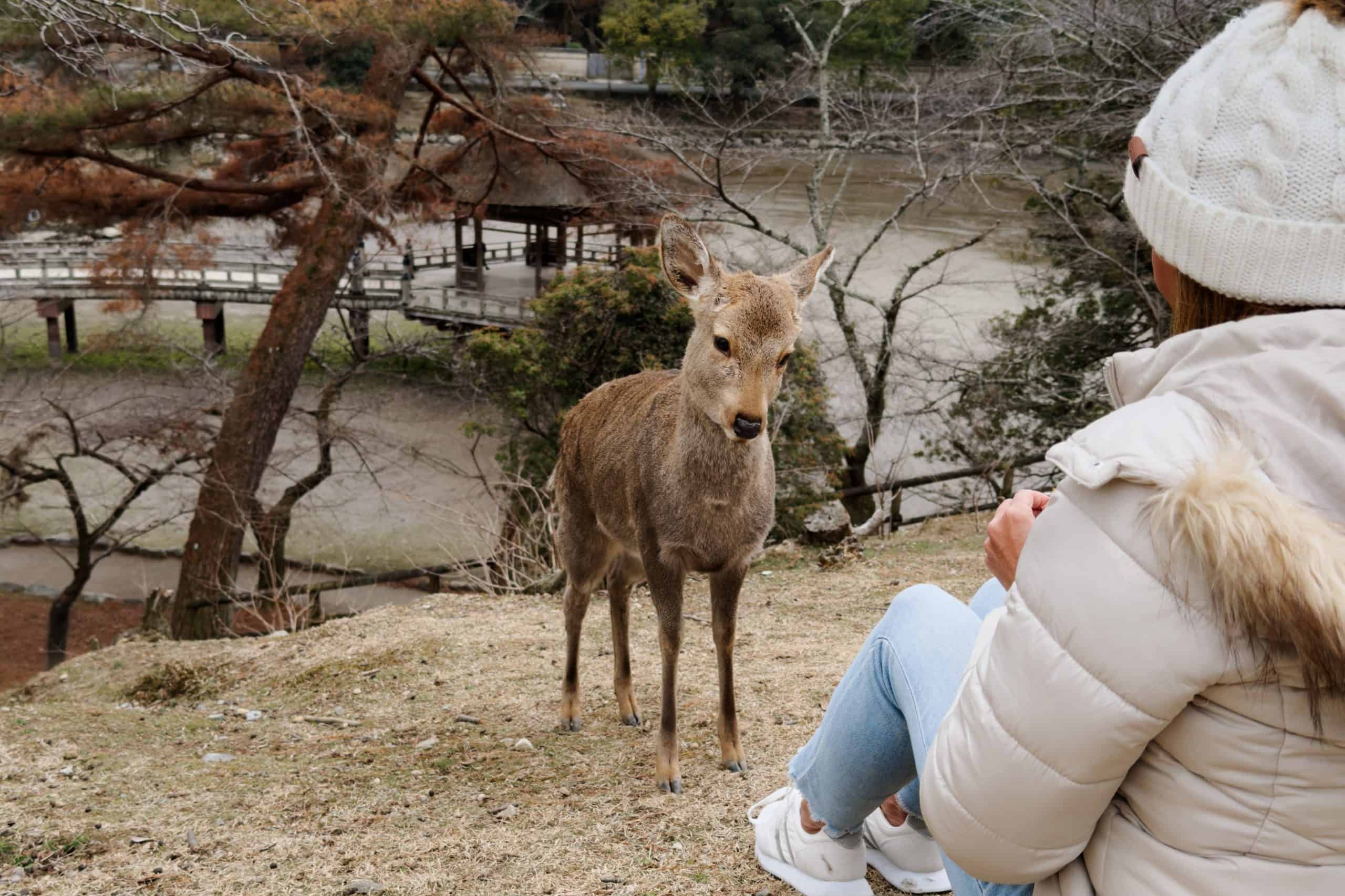
If you’re planning a Japan trip, I’m going to make this easy for you, add Nara to your itinerary. It’s less than an hour from both Kyoto and Osaka, ridiculously easy to visit as a day trip, and yes… the bowing deer really are as cute as everyone says.
But Nara is so much more than just the deer. You’ve got one of Japan’s most impressive temples, beautiful parks, great local food and one of our favourite little travel discoveries, the AONIYOSHI sightseeing train, which lets you travel to Nara from either Osaka or Kyoto in seriously luxurious style for around $10USD.
So whether you’re planning a Nara day trip from Kyoto or Osaka, this guide has everything you actually need: the best way to get there, how to ride the AONIYOSHI train, what to see, what to eat and the little tips we wish we’d known before our first visit.
Ride the AONIYOSHI Sightseeing Train to Nara
If you want to make the journey to Nara part of the experience, this is the train I’d choose.
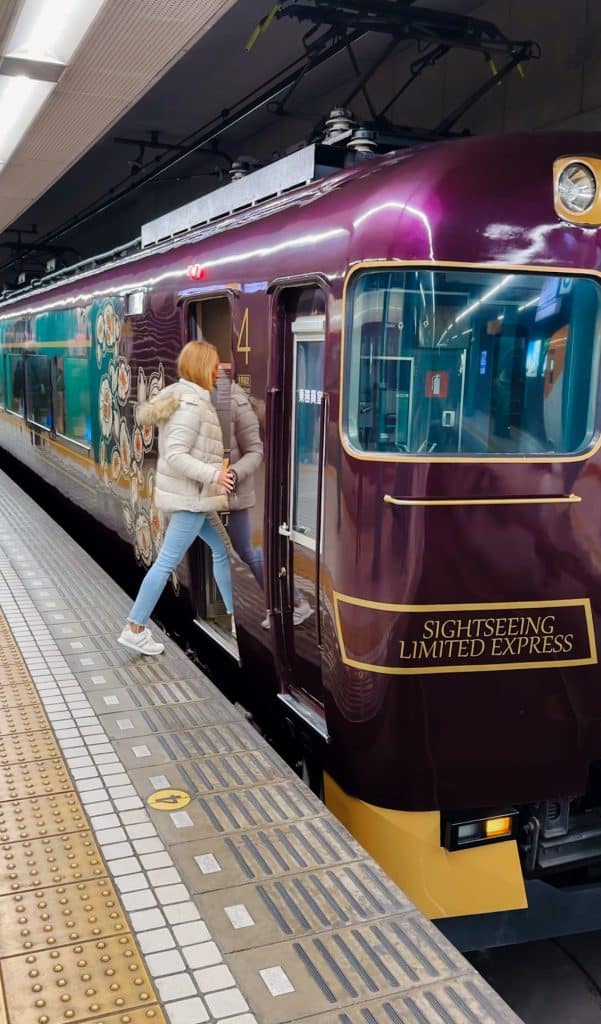
The AONIYOSHI Sightseeing Limited Express runs to Nara from both Osaka and Kyoto, and honestly, for the price, it feels ridiculously luxurious.
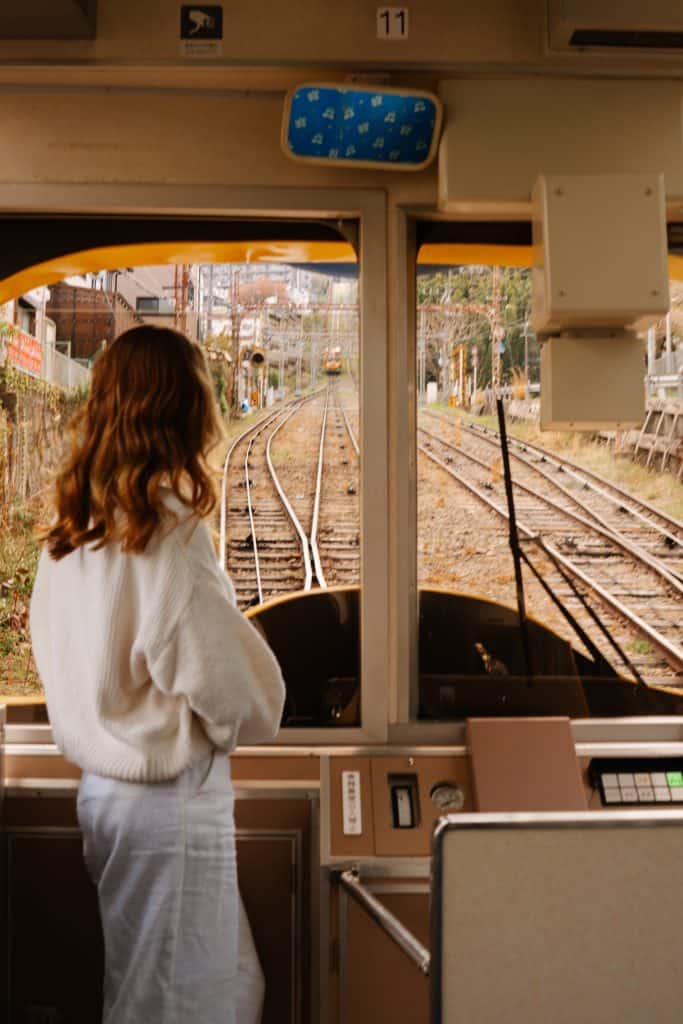
We’re talking huge windows, beautiful purple interiors, spacious seating, an onboard café and even a little lounge area, yet the journey from Osaka or Kyoto to Nara takes only around 35 minutes.
From Osaka to Nara
Catch AONIYOSHI from Osaka-Namba Station to Kintetsu-Nara Station.
The journey takes around 35 minutes and costs approximately ¥1,410 per adult when two people share one of the Twin Seats, around $10USD / $14AUD depending on the exchange rate.
From Kyoto to Nara
You can also catch AONIYOSHI directly from Kyoto Station to Kintetsu-Nara Station.
Again, it takes around 35 minutes, with fares around ¥1,490 per adult when two people share a Twin Seat.
One VERY important booking tip
Unlike a regular train, AONIYOSHI has reserved seating, so this isn’t one you can simply tap onto with your IC card and hope for the best.
And if you’ve seen those gorgeous window-facing Twin Seats online, there’s another little catch worth knowing before you book: they’re sold as a pair, so you need to purchase both seats together.
If you’re travelling as a couple, though, I’d absolutely choose them. They’re ridiculously spacious and honestly one of the best parts of the experience.
You’ll also find an onboard counter selling drinks, snacks and souvenirs, plus a small lounge/library area with sofas.
TOP TIP: Book this one ahead if you can. AONIYOSHI only runs a limited number of services and can sell out, particularly around weekends and busy travel periods. It also generally doesn’t operate on Thursdays, so always check the latest timetable before planning your Nara day.
BOOK THE AONIYOSHI SIGHTSEEING TRAIN HERE
The Regular Trains to Nara
If AONIYOSHI is sold out or you simply want the quickest and easiest option, don’t stress. Nara is incredibly easy to reach by regular train from both Osaka and Kyoto.
There are two main railway companies you’ll come across: Kintetsu and JR.
Personally, for a Nara day trip, I generally prefer Kintetsu because Kintetsu-Nara Station is closer to Nara Park and the deer than JR Nara Station. That means less walking once you arrive, which is always a win when you’ve got a full day of sightseeing ahead.
Osaka to Nara
From Osaka, one of the easiest options is a Kintetsu Rapid Express from Osaka-Namba to Kintetsu-Nara.
Services are frequent, there’s no need to reserve a seat, and the trip takes roughly 30–40 minutes depending on the service.
If you’re staying around Namba, this is particularly convenient.
Kyoto to Nara
From Kyoto, you can take either Kintetsu Railway or JR.
Kintetsu services arrive at Kintetsu-Nara Station, which puts you closer to Nara Park, while the JR Nara Line can be handy if you’re using a JR Pass or staying close to Kyoto Station.
Either way, Nara is an incredibly easy day trip — which is exactly why I wouldn’t skip it just because you’re short on time.
My pick? If the timing works, take AONIYOSHI one way for the experience and then simply jump on a regular train for the return journey. You get the beautiful sightseeing train without having to plan your entire day around its limited timetable.
Things to Do on a Nara Day Trip
Nara Park
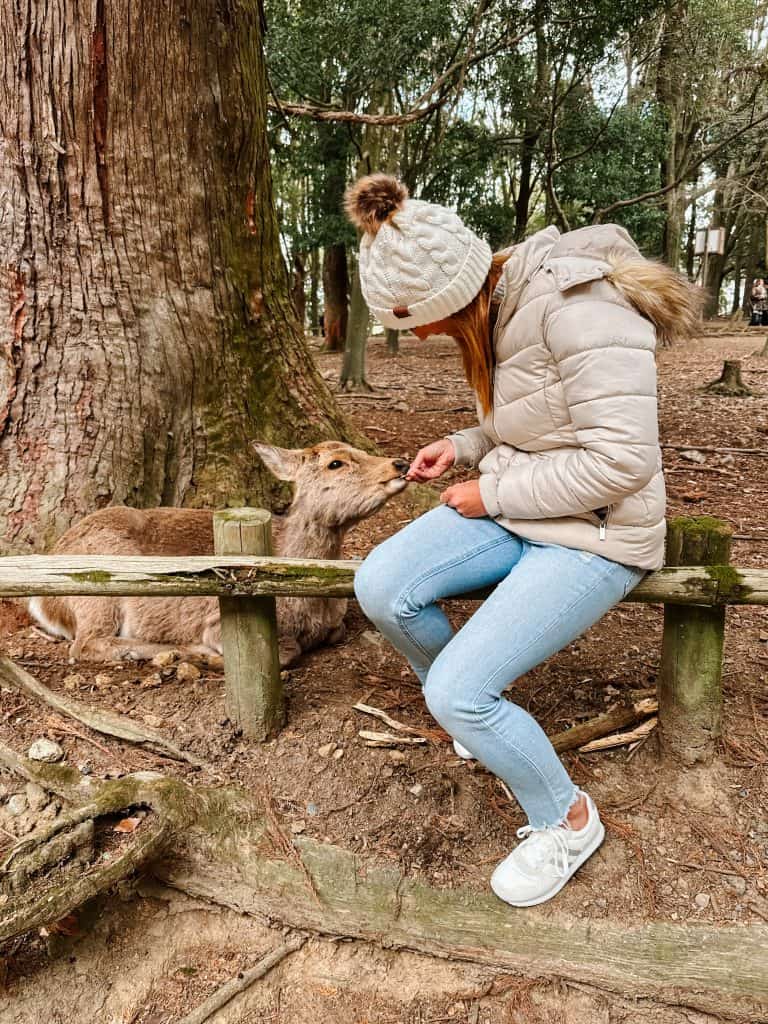
This is where most people start. Over a thousand deer roam freely here, and yes, they really do bow for crackers. You can buy a stack of shika senbei from vendors inside the park for about ¥200. It’s equal parts adorable and chaotic, and one of those experiences that’s hard to find anywhere else in the world.
Todaiji Temple
Just a short walk from the park is Todaiji Temple, Nara’s most famous sight and a UNESCO World Heritage Site. Inside the immense wooden hall is the Daibutsu, one of the largest bronze Buddha statues in the world. Entry costs around ¥600, and standing in front of it is a moment that gives you goosebumps.
Nakatanidou Mochi Pounding
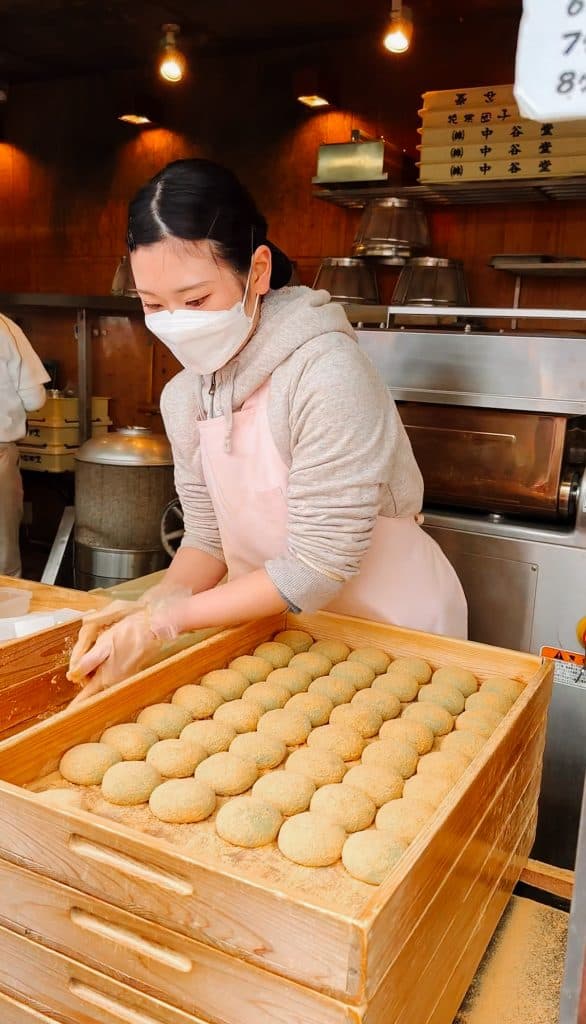
When you’re ready for a snack, head to Nakatanidou. This small shop is legendary for its mochi pounding demonstrations. The staff pound rice cakes so fast it feels like a performance. Grab a piece of freshly made yomogi mochi; it’s soft, chewy, and (some think) delicious. Can you tell I’m not really a fan? But hey! It’s definitley worth trying!
Kofukuji Temple and Five-Story Pagoda
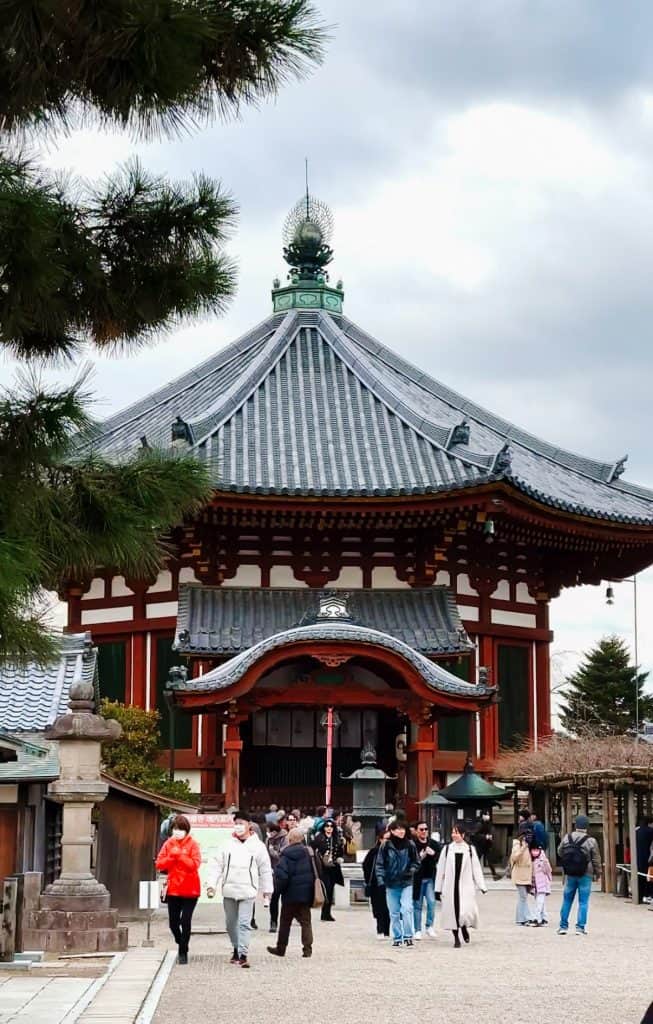
Right near Nara Park, Kofukuji Temple and its five-story pagoda are another important landmark. The pagoda is one of Nara’s most iconic sights and part of the city’s UNESCO World Heritage area.
Seasonal Highlights
Nara is beautiful year-round, but it really shines in spring and autumn. Cherry blossoms usually bloom from late March to early April, and the autumn leaves light up the city in November. The best part? Crowds here are nowhere near as overwhelming as in Kyoto, especially if you arrive early.
Don’t want to plan it yourself? Join a guided tour instead. One of the most popular is the Kyoto and Nara Day Tour │ Kiyomizu-dera Temple + Fushimi Inari-taisha Shrine + Nara Park (Osaka/Kyoto Departure), which covers Kyoto’s highlights and Nara Park in one day. I’ll link my favorite option here and you can save 10% when you book on Klook with my code: KLOOKGABTK.

Ikoma Cable Car: A Separate Day Trip
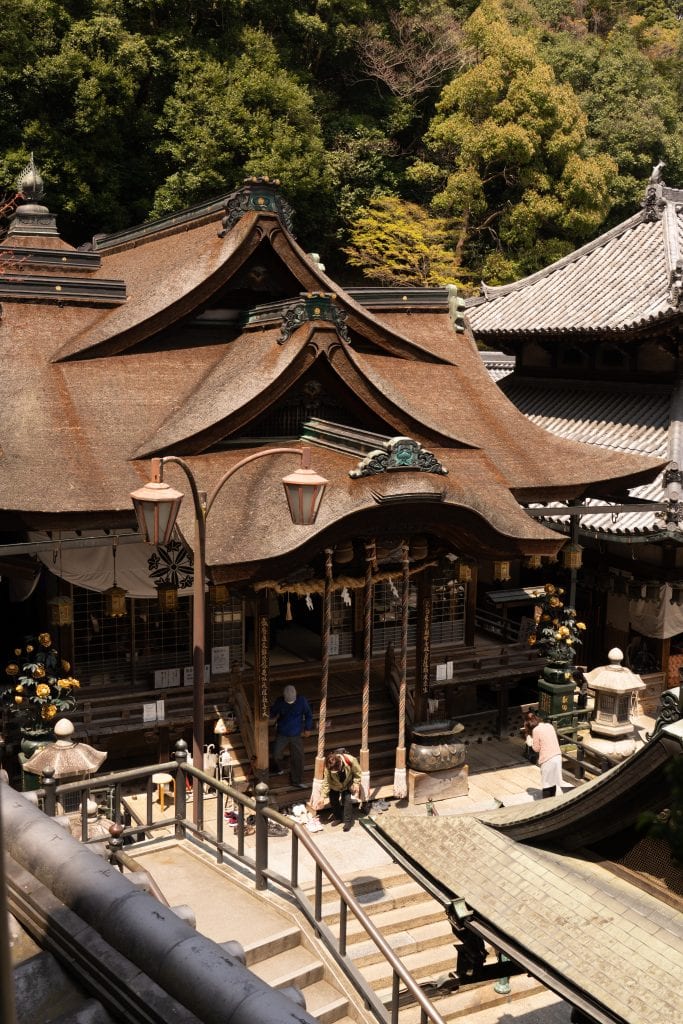
If you’ve already ticked off the deer and temples, save another day for the Ikoma Cable Car on the Osaka–Nara border. It’s Japan’s oldest operating cable car and feels like stepping back in time.
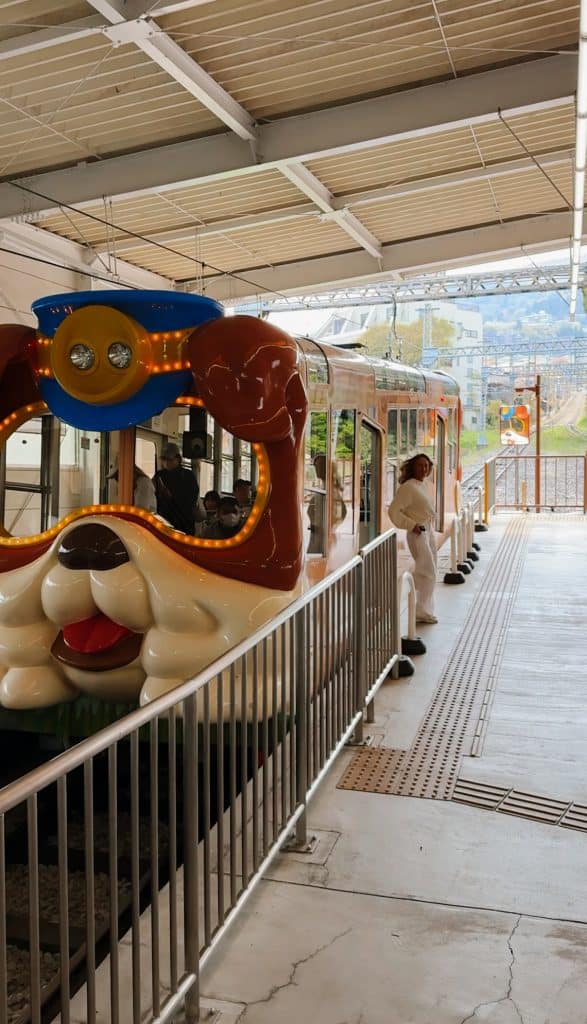
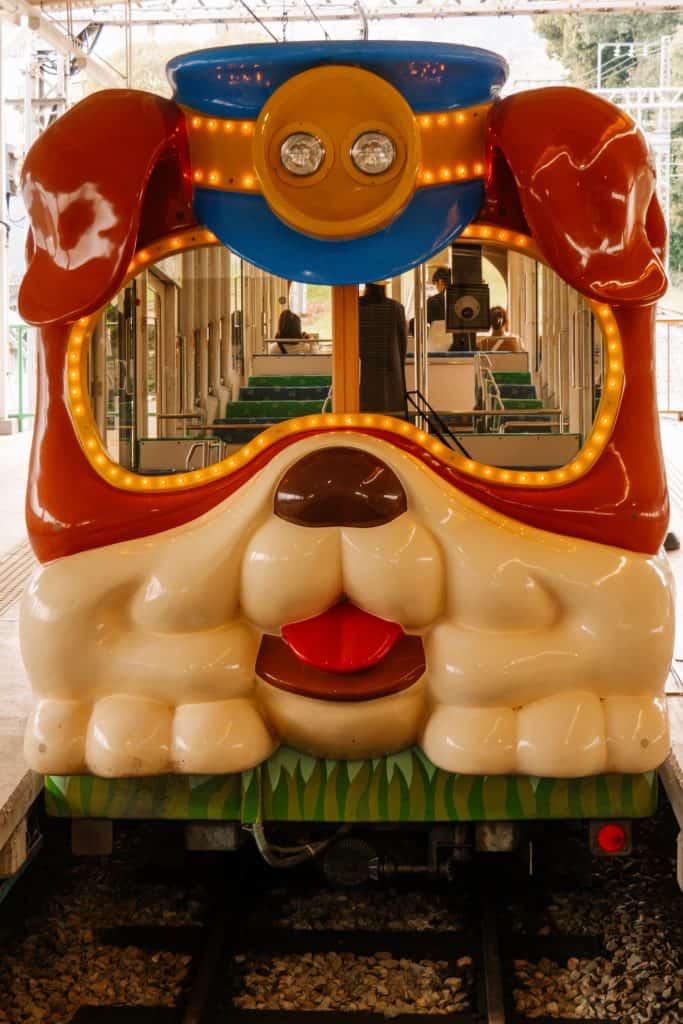
The ride starts from Ikoma Station on the Kintetsu Line. The cars are themed, some shaped like puppies or cakes (yep! they’re super cute), and climb through the forested hillside.
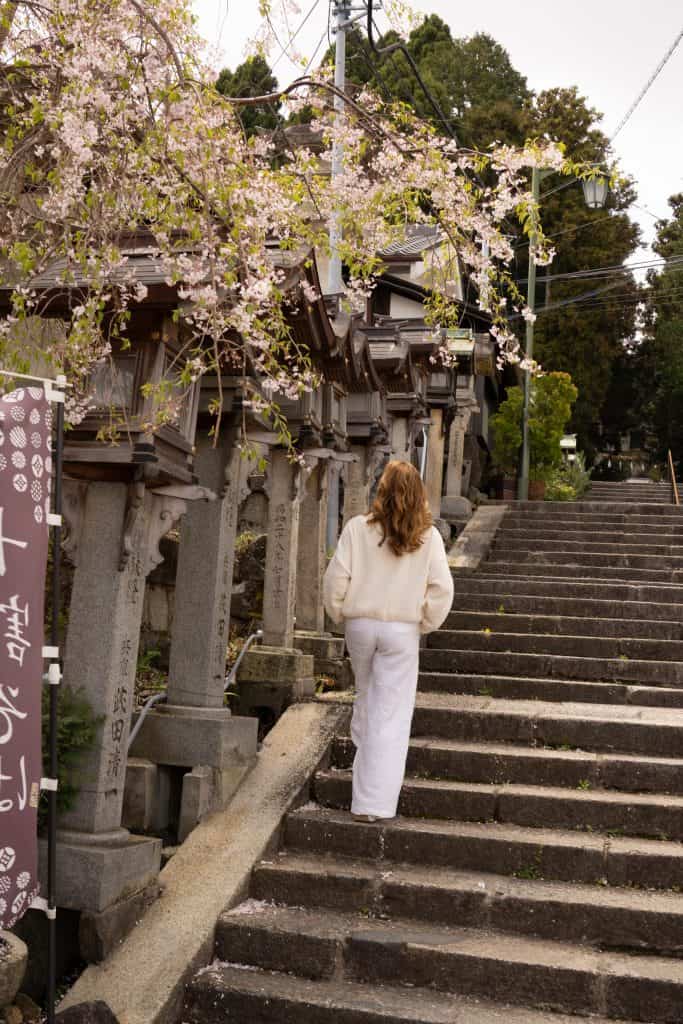
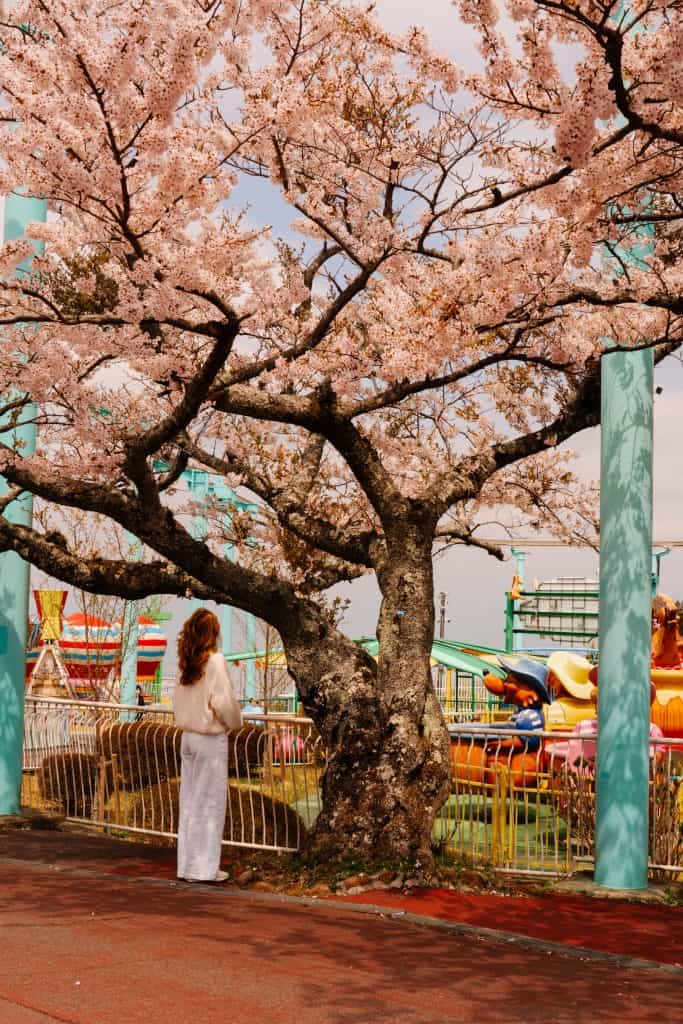
Stop at Hozanji Temple along the way for narrow lanes that feel like a Ghibli film. At the top, there’s a retro amusement park with sweeping views across Osaka and Nara.
Tickets cost about ¥300 each way. Just note this isn’t near Nara Park, so treat it as its own half-day or full-day trip.
If you’d rather not plan the logistics yourself, you can also join a guided day trip that includes Nara and the surrounding area. I’ll link my favorite one here. And don’t forget, you can save 10% when you book on Klook with my code: KLOOKGABTK.
What to Eat in Nara
Food is part of the fun here. Try yomogi mochi, especially if you catch it freshly pounded. Kakinoha-zushi – sushi wrapped in persimmon leaves – is another local specialty. And for something simple, matcha soft serve is easy to find around the temples and park.
Practical Tips
Arrive around 9 or 10 a.m. to get ahead of the tour groups. Carry coins for temple entry and street food. Most of the main sights are walkable from JR or Kintetsu Nara stations, but wear comfortable shoes. And a word of warning: the deer are cute, but they can be cheeky. Keep your maps, tickets, and snacks tucked away.
Final Thoughts On an Epic Nara Day Trip From Kyoto
A Kyoto to Nara day trip or an Osaka to Nara day trip is one of the easiest and most rewarding things you can do in Japan.
You’ll see the bowing deer, one of the world’s largest Buddhas, eat some unique local food, and maybe even take a sightseeing train that turns the journey into an experience of its own.
With an extra day, the Ikoma Cable Car adds something quirky and offbeat that most visitors miss. Nara is the perfect mix of history, culture, and fun, without the stress of Kyoto’s busiest crowds.